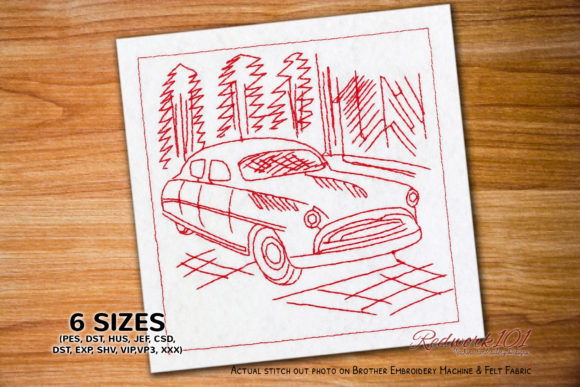
Classic Car on Road: A Designer's Review for Boutique Sweatshirts
As an embroidery designer who has spent years refining digitizing techniques for apparel, I approach every new machine embroidery design with a critical eye. It is not just about whether the image looks cute on a screen; it is about how that digital embroidery file translates onto fabric, withstands washing, and elevates a brand. Recently, I evaluated the Classic Car on Road design for an upcoming limited drop of premium sweatshirts for a small boutique client. This review breaks down why this piece works exceptionally well for custom apparel and how it can transform a basic garment into a high-value handmade product.
First Impressions and Design Personality
Upon loading the embroidery file into my editing software, the first thing that struck me was the clean, nostalgic mood of the layout. The title suggests a scene, and the execution delivers a sense of movement and retro charm without being overly cluttered. For a boutique brand targeting car enthusiasts or those who appreciate vintage aesthetics, this design hits the sweet spot between playful and decorative.
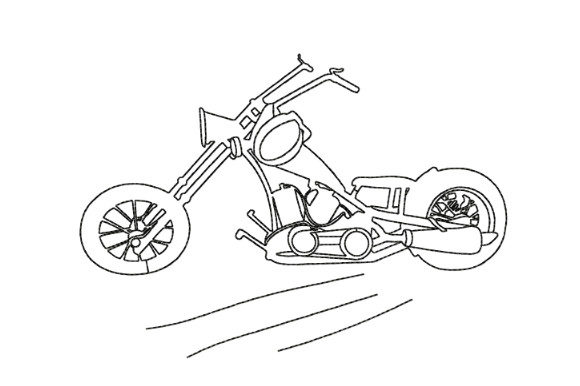
The description notes that this is a redwork-style embroidery, which typically implies a single-color outline stitch. This is a massive advantage for sweatshirt embroidery. Redwork tends to have a lower stitch density compared to fill-heavy designs, meaning it sits flatter on thick fabrics like fleece or French terry. The "Box Stitch" mentioned as optional in the product details adds a nice touch of framing if you want to give it a patch-like appearance, but for a modern, minimal look, I would recommend sticking to the car and road elements alone. The design feels rustic yet polished, making it versatile enough for both masculine and feminine cuts.
Fabric Compatibility and Color Strategy
One of the biggest challenges in commercial embroidery is ensuring visibility across different fabric textures. I tested the Classic Car on Road concept against several common sweatshirt materials. On neutral tones like oatmeal, heather grey, or sand, the design pops beautifully when stitched in a deep charcoal or navy blue. This creates a sophisticated, understated look that appeals to customers seeking everyday luxury.
For dark fabric options, such as black or forest green hoodies, the design demands high-contrast thread colors. A vibrant red or crisp white thread makes the classic car silhouette stand out sharply against the background. Because the design relies on line work rather than dense fills, there is less risk of the stitches sinking into the pile of the fabric, a common issue with low-quality digitizing. However, if you are using pastel-colored apparel, I suggest using a slightly darker shade of the same color family to maintain readability while keeping the tone soft and cozy.
It is crucial to remember that the final look depends heavily on your choice of stabilizer. For heavy sweatshirts, a cut-away stabilizer is non-negotiable to prevent puckering over time. Since this design falls under the Transportation category, the linear nature of the road and car body requires stable backing to keep those long runs straight and crisp.
Placement Strategies for Maximum Impact
Where you place this design determines its perceived value. For a standard hoodie design, a left-chest placement (approximately 3 to 4 inches wide) offers a subtle, professional branding opportunity. This works perfectly for small shop products where the logo or brand name might be elsewhere, and the car serves as a lifestyle graphic.
Alternatively, scaling the Classic Car on Road up for a large back print creates a bold statement piece. Oversized hoodies are trending, and a large-scale vintage car graphic on the back pairs wonderfully with a small text logo on the front. I also considered sleeve accents; because the design includes a road element, it could be adapted to run horizontally along the forearm, though you must verify the hoop size capabilities of your machine before attempting this. Always check the specific file dimensions provided by the seller to ensure it fits your intended hoop without requiring re-digitizing.
Commercial Viability and Brand Identity
For Etsy sellers and creative entrepreneurs, the difference between a hobbyist item and a sellable commodity often comes down to finish quality. The Classic Car on Road has the potential to significantly boost buyer trust. When a customer sees clean lines and appropriate thread tension in a printable mockup or product photo, they perceive the item as higher quality. This design supports strong visual recognition; the silhouette of a classic car is instantly identifiable, helping your design assets become memorable.
In terms of durability, line-based designs generally hold up better through repeated wash cycles than large fill areas, which can crack or stiffen. As long as the stitch count is appropriate for the size (which you should verify in the file details since exact counts were not provided in the brief description), this design should remain intact on the finished product for years. This longevity reinforces your brand identity as a provider of durable, well-crafted goods.
Key Considerations Before Production
Before launching your collection, keep these practical points in mind:
- Thread Contrast: Ensure your thread chart offers enough contrast against your specific fabric palette.
- Stitch Density: If the design feels too light on thin fabrics, consider adding a subtle underlay or increasing density slightly, but be careful not to distort the redwork style.
- Readability: Test a small sample to ensure the details of the car wheels and road lines do not merge together when stitched at smaller sizes.
- File Specifications: The product description mentions the box stitch is optional and hints at color details ("The col..."). Always download the full instruction sheet or preview images to confirm exactly which formats and color codes are included before purchasing.
- Licensing: Confirm the license terms for commercial use. Most digital files allow for unlimited physical sales, but restrictions on reselling the file itself are standard.
In conclusion, the Classic Car on Road is a robust choice for anyone looking to expand their Embroidery portfolio with transportation-themed apparel. Its versatility across different garment styles, from cozy seasonal sweaters to streetwear hoodies, makes it a valuable asset. By paying attention to fabric texture, stabilizer choice, and strategic placement, you can turn this simple design into a flagship product for your small business. The key lies in treating the digital file as a raw material that requires your expert touch to truly shine in the physical world.