Diving Flipper: A Pro Review for Small Business Merch
As an embroidery designer who has digitized and reviewed thousands of files for commercial use, I approach every new machine embroidery design with a critical eye. It is not just about whether the image looks cute on a screen; it is about how that digital embroidery file translates into a tangible asset for a small business. Today, I am reviewing the Diving Flipper design. Based on its title and description, this piece targets the beach and sports niche, but my focus here is strictly on its viability as a tool for brand building, merchandise creation, and professional apparel decoration.
First Impressions: Visual Personality and Brand Fit
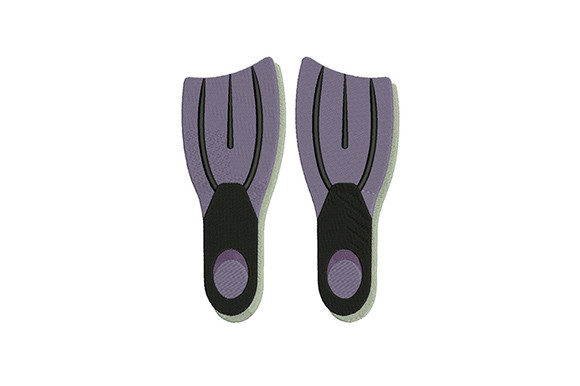
When I first examine the concept of Diving Flipper, the immediate impression is one of movement and passion. The description highlights a love for diving and the act of "moving your body," which suggests a dynamic, energetic aesthetic. For a small business owner, this translates to a design that feels active, friendly, and bold. It does not scream "rustic" or "elegant" in the traditional sense; rather, it leans towards a modern, playful, and sporty vibe.
This visual personality makes it an excellent candidate for brands that want to project energy and lifestyle. If you run a surf shop, a fitness studio near the coast, or a boutique selling summer essentials, this design aligns perfectly with your brand identity. However, for a high-end luxury bakery or a formal law firm, the playful nature of a diving flipper might clash with the desired tone of sophistication. Understanding this distinction is crucial before purchasing the embroidery file.
Real-World Application for Small Business Merch
The true test of any design is its versatility in real-world scenarios. Let us imagine a local beachside café or a handmade product studio wanting to expand their revenue streams. The Diving Flipper can serve multiple functions beyond simple decoration.
- Embroidered Patches: This is perhaps the strongest use case. A well-digitized flipper design can be stitched onto a twill base to create durable patches. These can be sold as standalone accessories or sewn onto denim jackets and backpacks as part of a limited edition drop.
- Staff Uniforms and Aprons: For a business with a nautical theme, stitching this design onto staff apron embroidery adds a touch of thematic consistency without being overwhelming. It acts as a subtle badge of team membership.
- Cap Embroidery: Placed on the side panel or even the front of a structured cap, this design works well for custom apparel. It offers a smaller footprint than a full chest logo, making it ideal for headwear where space is limited.
- Tote Bag Design: Canvas totes are staples for retail shops. Using Diving Flipper as a corner accent or a central motif on a tote bag elevates a basic item into branded merchandise that customers actually want to carry.
Furthermore, for Etsy sellers and crafters, this design can be the centerpiece of a "summer collection." By integrating it into product packaging accents or including it as a free gift with purchase, you enhance the perceived value of your handmade product lines.
Technical Considerations and Production Challenges
While the artistic potential is high, we must address the technical realities of commercial embroidery. Not every design performs well on every surface. Here are specific areas where you need to exercise caution with Diving Flipper:
- Small Patch Sizes: If the design contains fine details or tiny lettering (if any text is included in the specific file version), it may lose definition when scaled down for a small patch. Always request a stitch-out at the minimum intended size before committing to a large production run.
- Curved Surfaces: Applying this to cap fronts requires careful attention to push-pull compensation. A dense design on a curved surface can cause puckering, distorting the shape of the flipper.
- Stitch Density: High stitch density can make a design feel stiff and heavy. If this design is intended for lightweight performance fabrics often used in workout gear, ensure the digitizing allows the fabric to breathe. Too many stitches can compromise the comfort of the finished product.
- Fabric Texture: On textured fabrics like Terry cloth or heavy canvas, simple outlines might get lost. You may need to adjust thread thickness or add underlay stitches to ensure the design pops against the fabric texture.
- Dark Uniforms: If your client wants this on black or navy uniforms, verify that the suggested thread colors provide enough contrast. A dark blue flipper on a black shirt will vanish unless outlined properly.
Impact on Brand Identity and Customer Trust
Consistency is the cornerstone of professional branding. When a customer sees the same high-quality Diving Flipper emblem on your website, your packaging, and your staff's shirts, it builds recognition. A sloppy stitch-out, however, can erode trust instantly. Customers equate the quality of your merchandise with the quality of your core products or services.
Using a professionally reviewed design ensures visual consistency. It tells your audience that you pay attention to detail. For handmade brands, this level of polish distinguishes you from hobbyists who might use low-quality files. It elevates your small business merch from "crafty" to "commercial grade," allowing you to command higher price points and foster deeper buyer engagement.
Practical Notes from the Designer's Desk
Before you load this file into your machine for a client order, follow these essential steps to guarantee success:
- Test in Black and White: Print a grayscale version of the design first. This helps you see if the contrast relies too heavily on color or if the shapes hold up on their own.
- Check Scalability: Verify if the design retains its integrity at small patch sizes. If details blur, you may need a simplified version for smaller applications.
- Review Thread Colors: Ensure the palette matches your brand guidelines. Do not hesitate to swap threads to better fit a specific corporate identity.
- Inspect Spacing: Look closely at the spacing between elements. Tight spacing can lead to thread breaks or bird-nesting during high-speed production.
- Confirm Hoop Size: Check the dimensions against your available hoop size. You do not want to start a job only to realize the design exceeds your machine's capacity.
- Test on Real Fabric: Never skip the test stitch-out on the actual material you intend to use. Screen visuals cannot replicate how thread interacts with specific fibers.
- Use Proper Stabilizer: Select the right stabilizer for the fabric weight. A water-soluble topper might be necessary for textured items to prevent sinking stitches.
- Create a Printable Mockup: Before showing the client, generate a printable mockup to visualize the final look. This manages expectations and secures approval.
- Compare Design Assets: Place this design beside your other branding elements to ensure it complements rather than competes with your existing visual language.
- Verify Licensing: Most importantly, confirm the commercial licensing terms. Ensure you have the right to use this digital embroidery file for resale and branded merchandise.
In conclusion, Diving Flipper holds significant promise for businesses operating in the beach, sports, and lifestyle sectors. Its energetic character can drive engagement and strengthen brand recall when executed correctly. However, its success depends entirely on thoughtful application, rigorous testing, and an understanding of the technical constraints of embroidery production. By treating this design as a strategic business asset rather than just a decorative image, you can unlock its full potential for your custom apparel and merchandise lines.