Fire Escape Ladder: A Bold Pick for Craft Fair Sales
As I set up my booth for the upcoming weekend market, I am constantly evaluating which machine embroidery design will stop a customer in their tracks. Today, I am taking a close look at the Fire Escape Ladder. At first glance, this piece feels undeniably modern with a touch of urban rustic charm. It is not your typical floral or farmhouse motif; instead, it offers a structural, graphic element that speaks to safety, escape, and upward mobility. For those of us running small shops or selling on Etsy, finding a design that bridges the gap between novelty and genuine aesthetic appeal is crucial. This ladder design promises to escalate the look of any fabric, but does it hold up under the scrutiny of a busy craft fair environment?
First Impressions and Visual Impact
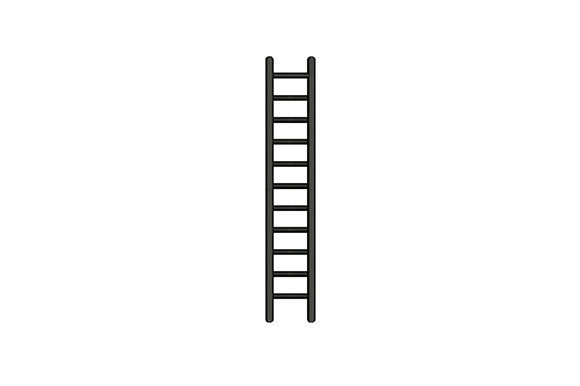
The immediate vibe of the Fire Escape Ladder is bold and minimal. In a sea of soft, swirling vines and cute animals often found at handmade markets, this geometric structure stands out. It feels industrial yet approachable. When I imagine this stitched onto a canvas tote bag, it creates an instant statement piece. The linear nature of the ladder suggests movement and progress, which resonates well with the "hustle culture" demographic that frequently visits artisan markets. Whether you interpret it as a literal fire safety nod or a metaphor for climbing the corporate ladder, the visual language is clear. It photographs exceptionally well for printable mockups because the strong lines translate clearly even on small smartphone screens, a vital factor for online listings.
Best Products for Maximum Sales
Selecting the right substrate is half the battle in commercial embroidery. Based on the description of this Work category item, here is where I see the Fire Escape Ladder performing best:
- Tote Bags and Market Bags: This is the prime real estate for this design. A large-scale ladder running vertically down the side of a heavy canvas bag looks incredibly chic. It transforms a simple carrier into a fashion accessory.
- Aprons: For the culinary crowd or the workshop enthusiast, placing this design on the bib of an apron adds a unique, almost superhero-like quality to the garment. It fits the "Work" theme perfectly.
- Tea Towels: As a tea towel embroidery project, this design works well as a border element or a central focal point. The contrast of white thread on linen or dark cotton creates a high-end look.
- Patches: Creating an embroidered patch with this motif allows customers to buy a low-cost entry item. They can iron it onto denim jackets or backpacks later, expanding your product reach without needing multiple inventory sizes.
- Caps: While tricky, a simplified version of the ladder on the side panel of a dad hat could appeal to those looking for subtle, meaningful branding.
Production Practicality and Batch Efficiency
When preparing for a craft fair, time is money. The description notes that this is a "simple design," which usually translates to favorable production times. However, simplicity can sometimes be deceptive. As an experienced designer, I know that straight lines and ladders require precise tension management. If the stitch density is too low, the fabric might show through the rungs, ruining the solid look. If it is too high, the fabric might pucker, especially on lighter materials like tea towels.
For batch production, this design is promising. Unlike complex portraits or dense fill logos that eat up thread and time, a ladder structure is generally faster to stitch. This means you can produce more finished products in less time, keeping your booth stock replenished throughout the day. It is an ideal candidate for those looking to scale their handmade product line without sacrificing quality.
Critical Considerations for Execution
Before you commit to stitching fifty units, there are several technical hurdles to clear. The success of the Fire Escape Ladder relies heavily on execution details:
- Fabric Texture: On textured towels or waffle weave, fine lines can get lost. Ensure the design has enough weight to stand out against the fabric grain.
- Thread Contrast: This design lives or dies by contrast. On dark fabric, use a bright metallic or high-sheen rayon thread to make the "rungs" pop. On light fabric, a matte cotton thread might offer a more sophisticated, understated look.
- Curved Surfaces: If applying this to caps, be wary of distortion. The straight lines of a ladder can look wavy if not digitized specifically for curved surfaces or if the hooping technique is loose.
- Small Details: If the design includes tiny rungs or connection points, verify that they do not disappear when scaled down for pouches or small gifts.
Enhancing Brand Value and Customer Engagement
Incorporating the Fire Escape Ladder into your lineup does more than just add a new item; it diversifies your brand aesthetic. It signals to buyers that your shop offers more than just the standard fare. It suggests a thoughtful curation of design assets that cater to modern tastes. For the Etsy seller, this kind of distinct imagery helps in creating a cohesive shop banner and social media presence. It is memorable.
Customers love a story. You can market this as a symbol of resilience, a nod to city living, or simply a cool graphic element. This narrative potential increases buyer engagement. When a customer stops to ask about the meaning behind the ladder, you have opened a dialogue that often leads to a sale. Furthermore, because the design is versatile, it appeals to a wide range of demographics, from firefighters and first responders (as a literal tribute) to architects and urban planners.
Final Designer Notes and Testing Protocol
Before listing this as a craft fair product or uploading the digital embroidery file for sale, rigorous testing is non-negotiable. Do not assume the default settings will work for every application. My advice is to test the design on scrap fabric that matches your intended final product. Check the back of the hoop to ensure the bobbin thread isn't pulling through, which can ruin the clean lines of the ladder.
Review the spacing between the rungs. Are they consistent? Does the design feel balanced? Confirm the required hoop size to ensure it fits your machine's capabilities without excessive re-hooping. Most importantly, select the right stabilizer. For a design with long vertical elements, a cut-away stabilizer is often safer than tear-away to prevent shifting during wear and washing.
Finally, always verify the licensing terms. The description mentions it is perfect for a variety of projects, but you must confirm if the license allows for commercial embroidery sales of finished goods or if it is limited to personal use. Never guess on legalities; check the documentation provided with the file. With the right preparation, the Fire Escape Ladder could be the rung that helps your business climb to new heights this season.