Horsefly Sitting on Flower: A Redwork Review for Makers
As a designer who spends more time at the hoop than away from it, I am always on the lookout for machine embroidery design files that strike the right balance between charm and practicality. When I first pulled up the Horsefly Sitting on Flower file, my immediate reaction was one of quiet appreciation. In a market saturated with overly complex, dense fills that eat up thread and time, this piece stands out as a breath of fresh air. It is a classic redwork style design, which immediately signals a specific mood: nostalgic, rustic, and effortlessly cute. For those of us running a craft business or looking to add unique touches to our handmade product lines, understanding the nuance of such a design is critical before committing it to a client's garment.
The Visual Personality and First Impressions
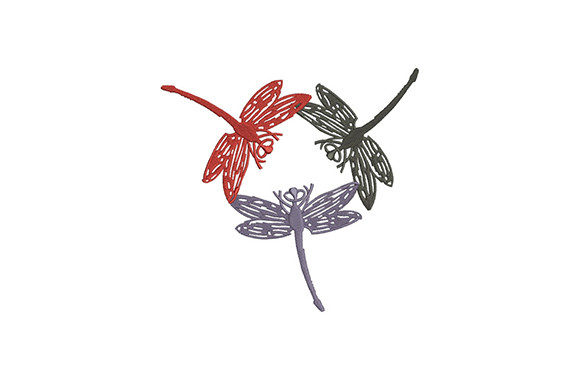
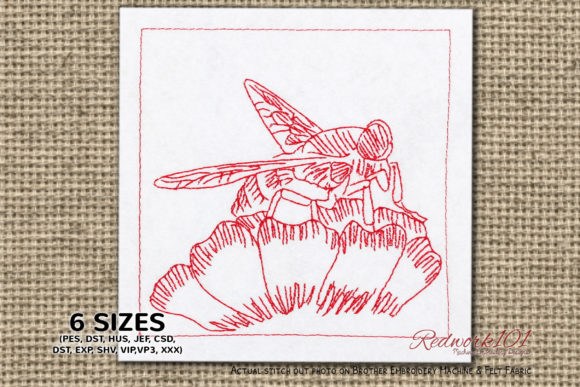
The layout of Horsefly Sitting on Flower is deceptively simple. The subject matter falls squarely into the Bugs category, yet it avoids the scientific rigidity often found in insect illustrations. Instead, it offers a whimsical interpretation perfect for Embroidery enthusiasts who love nature themes without the heaviness. The lines are clean, relying heavily on the running stitch technique typical of redwork. This creates an open, airy feel that allows the fabric texture to show through, rather than suffocating the material under layers of thread.
Visually, the design feels lightweight. It does not demand attention through volume or density; rather, it invites the viewer to lean in and appreciate the delicate interaction between the fly and the bloom. This makes it an excellent candidate for projects where subtlety is key. Whether you are branding a boutique line or creating a personalized gift, this design speaks to a customer base that values artisanal quality over mass-produced flashiness.
Real-World Application: The Tote Bag Scenario
To truly evaluate this file, I imagined a specific real-life scenario: a custom order for a local farmer's market vendor who needed a series of eco-friendly tote bags. She wanted something that said "natural" and "organic" without being cliché. Horsefly Sitting on Flower fit this brief perfectly. Placed on the lower corner of a canvas tote bag design, the redwork aesthetic complemented the natural fiber of the bag beautifully.
In this context, the optional Box Stitch mentioned in the description becomes a crucial decision point. For a tote bag that will carry heavy groceries, framing the design with the box stitch could provide a nice finished border, containing the visual elements neatly. However, for a more free-flowing, artistic look on a linen apron or a kitchen towel, skipping the border allows the horsefly to feel like it has just landed there spontaneously. This flexibility is a huge plus for Etsy sellers who need to adapt one asset across multiple product types.
Versatility Across Apparel and Home Decor
Beyond tote bags, the potential applications for this digital embroidery file are vast. Because it is a redwork style, it translates exceptionally well to custom apparel. Imagine this stitched in white thread on a navy blue sweatshirt embroidery project, or in a soft pastel on a baby onesie for baby embroidery sets. The lack of dense fill stitches means the finished product remains soft and flexible, a critical factor for anything worn against the skin.
For home decor, the design shines on items like pillow covers and tea towels. On a textured waffle-weave towel, the running stitches of the horsefly create a lovely tactile contrast. It also works well as a standalone motif on a quilt block or as part of a larger sampler. For holiday embroidery projects, perhaps swapping the traditional red thread for green or gold could instantly transform this summer bug into a festive accent, proving its adaptability throughout the year.
Technical Considerations and Fabric Choices
While the design is charming, a professional reviewer must address the technical realities of stitching Horsefly Sitting on Flower. Redwork relies entirely on the integrity of the outline. If you are working on stretchy fabrics like jersey knits or fleece, the stability of those running stitches is paramount. Without proper stabilization, the lines can distort after washing, ruining the crisp silhouette of the horsefly.
I strongly advise using a high-quality cut-away stabilizer for apparel projects, especially if the fabric texture is loose or prone to shifting. For woven home decor items like canvas or linen, a tear-away might suffice, but always test first. The description notes that the design adds a natural accent to a variety of fabrics, but "variety" does not mean "all." Delicate silks or highly textured bouclé fabrics might swallow the fine details of the fly's wings or the flower petals.
Another consideration is the hoop size. While redwork designs are generally scalable, shrinking this too much could cause the details of the horsefly to merge, turning distinct legs and antennae into a muddy blob. Conversely, enlarging it too much might make the running stitches look gappy and unfinished. Always check the recommended sizing limits provided with the embroidery file before resizing.
Color Contrast and Thread Selection
The beauty of redwork lies in its monochromatic simplicity, but this also places a heavy burden on thread choice. Since there are no fill stitches to create depth, the contrast between the thread color and the fabric background determines the success of the finished product. On dark fabrics, a light thread is essential. On light fabrics, a deep, rich red (or your chosen color) provides the necessary pop.
For commercial embroidery projects where brand consistency matters, ensure your thread colors match your client's palette exactly. A mismatched red can look sloppy. I recommend stitching a test sample on scrap fabric of the exact same weight and color as your final product. This "proof of concept" step saves time, money, and reputation.
Value for Small Business and Craft Entrepreneurs
From a business perspective, Horsefly Sitting on Flower represents a low-risk, high-reward asset. Because it uses less thread and stitches out faster than dense fill designs, it improves your production efficiency. This is vital for small shop product creators who need to maintain healthy margins. It allows you to offer personalized items—like adding a name below the flower—without drastically increasing machine time.
Furthermore, the aesthetic appeals to a demographic that appreciates handmade nuances. Customers are increasingly savvy; they can spot a design that looks generic versus one that feels curated. This design feels curated. It suggests that the maker cares about the details. Whether you are selling printable mockup previews of your goods or displaying physical samples at a craft fair, this design elevates the perceived value of the item.
Final Verdict and Designer Notes
In conclusion, Horsefly Sitting on Flower is a delightful addition to any designer's library. It captures the essence of nature with a minimalist touch that works across seasons and styles. However, its simplicity demands respect in execution. Do not assume that because it is "just" redwork, it requires less attention. Precise hooping, appropriate stabilizer selection, and careful thread matching are non-negotiable.
Before integrating this into your design assets for sale or client work, verify the licensing terms. Ensure you have the rights to sell finished physical goods if that is your goal. Check the file formats to ensure compatibility with your specific machine. Test the design in black and white mockups to see how the lines hold up without color distraction. If you take these precautions, this little horsefly can become a big winner in your portfolio, landing softly on everything from baby bibs to boutique tote bags, bringing a touch of natural whimsy to every stitch.