Kitchen Knife Embroidery Design: A Pro Review
As an embroidery designer who spends countless hours digitizing and stitching for clients, I am always on the lookout for design assets that balance aesthetic appeal with technical reliability. Recently, I came across the Kitchen Knife machine embroidery design on Creative Fabrica. With the rise of cottagecore aesthetics and the enduring popularity of culinary-themed home decor, a design like this has significant potential for commercial use. However, before committing to a large run of aprons or tote bags, it is crucial to evaluate whether a digital embroidery file can withstand the rigors of real-world production. This review breaks down the visual mood, practical application, and technical considerations of using Kitchen Knife in your handmade business.
First Impressions and Visual Mood
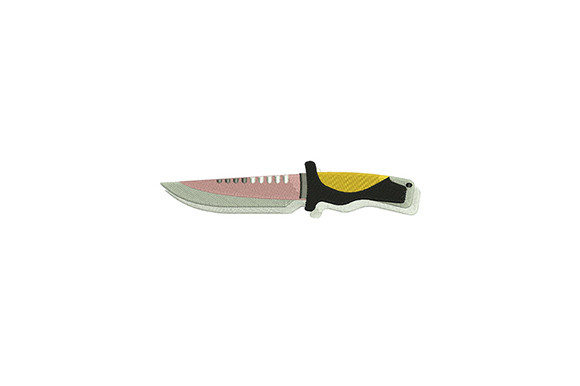
The first thing that strikes me about the Kitchen Knife design is its straightforward yet characterful approach. The description promises to "add some character to your kitchen," and visually, it delivers a sense of playful passion for cooking and chopping. Unlike overly complex digitizations that try to mimic photorealism, this design appears to embrace the limitations and charms of machine stitching. It likely utilizes a combination of fill stitch for the blade and handle, potentially accented with satin stitch borders to define the edges sharply.
For a professional, the "personality" of a stitch is just as important as the image itself. Does it look stiff, or does it have flow? Based on the preview, Kitchen Knife seems to offer a clean, modern silhouette that fits well within current trends for minimalist kitchen linens. It avoids excessive tiny details that often cause thread breaks, suggesting a thoughtful approach to stitch density. This makes it an excellent candidate for projects where durability is key, such as items that will be frequently washed or handled.
Real-World Application Scenarios
When evaluating a new embroidery file, I immediately brainstorm where it fits in my product lineup. The Kitchen Knife design is versatile enough to bridge the gap between functional kitchenware and fashionable apparel. Here is how I envision deploying this asset:
- Aprons and Kitchen Towels: This is the most obvious fit. Stitching this onto a high-quality linen apron creates an instant bestseller for craft fairs. The design serves as a badge of honor for the home cook.
- Tote Bag Design: Canvas tote bags are staples for grocery runs and farmers' markets. A bold Kitchen Knife motif adds a witty touch to a utilitarian item.
- Custom Apparel: Imagine this embroidered on the chest pocket of a chef's jacket or the sleeve of a casual sweatshirt. It appeals to culinary students, professional chefs, and food bloggers alike.
- Embroidered Patches: If the file size permits, this could be stitched out as a patch to be ironed or sewn onto denim jackets or hats, expanding its reach beyond kitchen textiles.
- Handmade Gifts: For the holiday season, pairing this design with a set of wooden spoons or a cutting board creates a cohesive, giftable package.
For Etsy sellers and boutique owners, the ability to create a cohesive collection is vital. Using Kitchen Knife across different products—like a matching set of oven mitts and a tea towel—enhances brand consistency and increases the average order value.
Technical Considerations for Production
While the visual appeal is strong, the true test of any Creative Fabrica embroidery product lies in its execution. As a designer, I have to be critical about how these files perform on various materials. Here are the specific technical factors I would assess before running a customer order:
Fabric Compatibility and Stabilization
Kitchen textiles often involve textured fabrics like waffle weave towels or thick canvas. When stitching Kitchen Knife on these surfaces, the choice of stabilizer is non-negotiable. A cut-away stabilizer is likely necessary to prevent the design from sinking into the texture or distorting over time. For stretchy fabrics, such as those used in sweatshirt embroidery or fitted caps, a heavy-duty tear-away or a combination of cut-away and topping might be required to maintain the integrity of the lines.
Hoop Size and Placement
The product description mentions "multiple embroi," which suggests the file may come in various sizes. This is a massive advantage for commercial embroidery. However, you must confirm the hoop size requirements for the largest version. If you are working with curved cap surfaces, ensuring the design fits within a standard cap frame without excessive resizing is crucial. Resizing a machine embroidery design too much can alter the stitch density, leading to gaps in fill areas or thread bunching in satin columns.
Thread Colors and Contrast
The simplicity of the knife shape means that thread color selection will dramatically impact the final look. On dark fabric, you will need high-contrast thread colors to make the design pop. Conversely, on light fabric, you might opt for tonal stitching for a subtle, sophisticated effect. Always run a test stitch-out on scrap fabric that matches your final product material. This allows you to inspect small details, check for registration issues between color stops, and ensure that any lettering (if included in specific versions) remains legible.
Enhancing Product Value and Brand Trust
In the world of handmade goods, presentation is everything. A well-executed Kitchen Knife embroidery elevates a simple textile into a piece of art. It signals to the buyer that thought and care went into the creation process. High-quality stitching builds buyer trust; loose threads or puckering can ruin a reputation instantly. By choosing a reliable design asset and pairing it with premium materials, you enhance the perceived value of your finished product.
Furthermore, this design lends itself beautifully to product photography. The clear lines and recognizable shape make for striking images on social media and online listings. Whether you are creating a printable mockup for your shop banner or photographing the actual item, the graphic nature of the knife ensures it reads well even in thumbnail sizes. This visual clarity drives customer engagement and can significantly boost conversion rates for your online store.
Final Verdict and Best Practices
The Kitchen Knife embroidery design appears to be a solid addition to any digital library focused on home and lifestyle themes. Its potential for use in commercial embroidery projects is high, provided that the user respects the technical limitations of their machine and materials. It is not just a picture; it is a tool for building a brand around the love of cooking.
Before integrating this into your workflow, remember these essential steps:
- Verify File Details: Always check the Creative Fabrica product page for specific file formats (PES, DST, EXP, etc.) to ensure compatibility with your machine.
- Review Licensing: Confirm the license terms regarding commercial use. Most Creative Fabrica subscriptions allow for selling finished physical items, but restrictions on reselling the digital file itself always apply.
- Test Extensively: Never skip the test stitch. Check how the design handles on both light and dark fabrics, and observe how it holds up after a wash cycle.
- Optimize Settings: Adjust your machine tension and speed based on the fabric type. What works on cotton might need adjustment for polyester blends.
Ultimately, the Kitchen Knife design offers a charming way to connect with customers who share a passion for the culinary arts. With careful attention to stabilizer choice, thread quality, and hoop placement, this digital embroidery file can become a staple in your catalog of personalized gifts and custom apparel. It represents the kind of versatile, mood-setting asset that helps small business owners stand out in a crowded marketplace.