Playing Dog: A Designer's Review for Real Projects
As an embroidery designer who spends countless hours digitizing and stitching out designs for clients, I am always cautious about downloading new machine embroidery design files. The market is flooded with options, but finding a file that holds up under the pressure of commercial use or high-quality handmade gifts is rare. Recently, I evaluated Playing Dog from Creative Fabrica to see if it deserved a spot in my active library for upcoming customer orders. This review breaks down the visual appeal, technical performance, and practical application of this adorable canine motif for real-world projects.
First Impressions and Visual Mood
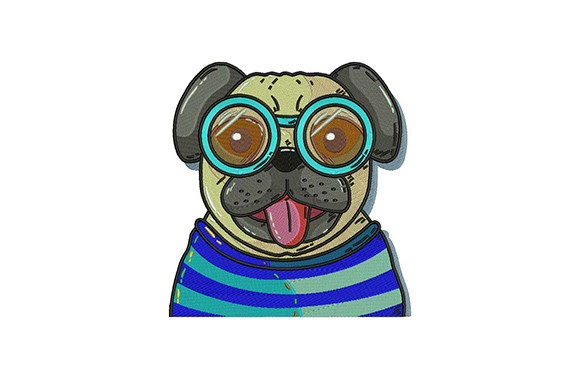
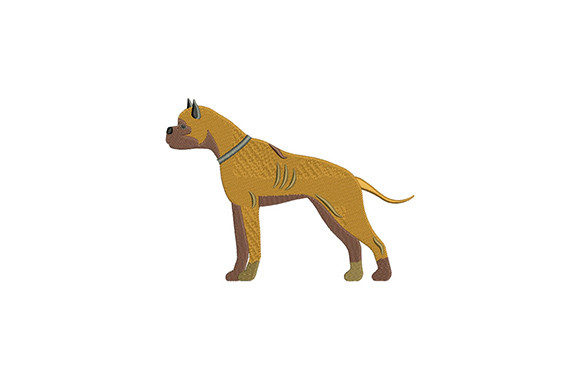
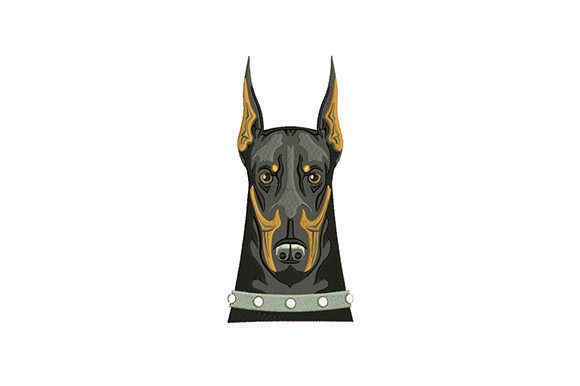
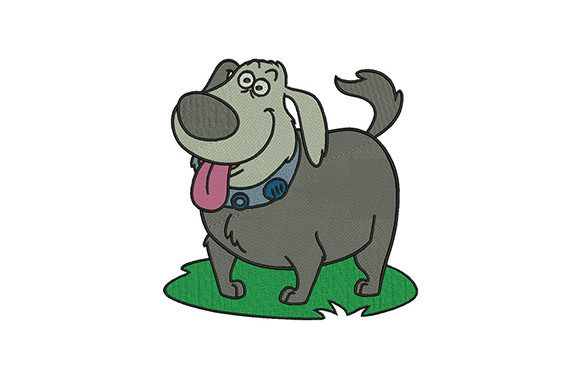
Upon opening the preview images for Playing Dog, the immediate takeaway is its playful and energetic mood. Unlike stiff or overly formal animal motifs, this design captures a sense of movement and joy that resonates well with current trends in boutique apparel and nursery decor. The line work suggests a balance between clean outlines and textured fills, which is crucial for maintaining clarity when stitched out on various fabrics.
The decorative appeal of Playing Dog lies in its versatility. It does not scream "childish" to the point where it cannot be used on adult garments, nor is it so abstract that it loses its charm. For designers looking to add a touch of whimsy to a brand without sacrificing professionalism, this design hits a sweet spot. The personality of the stitch pattern suggests it would pair beautifully with hand-lettered fonts or simple geometric borders, making it an excellent candidate for custom branding on tote bags or aprons.
Performance on Real-World Materials
The true test of any embroidery file is how it performs on actual substrates. I mentally walked through several scenarios where Playing Dog could be applied, ranging from soft baby items to structured caps.
- Custom Apparel and Sweatshirts: For sweatshirt embroidery, the design appears robust enough to handle the loft of fleece or French terry. However, on stretchy knits like t-shirts, one must be mindful of the stitch density. If the fill areas are too dense, the fabric may pucker over time. A proper cut-away stabilizer would be essential here to maintain the shape of the dog after multiple washes.
- Tote Bags and Canvas: This is likely the strongest use case for Playing Dog. The sturdy nature of canvas or heavy cotton allows the stitches to pop without sinking in. As a tote bag design, it offers high visual impact for craft fair products or boutique merchandise.
- Caps and Curved Surfaces: Stitching on a cap requires a design that is not too wide or complex in the center. Depending on the specific dimensions of the file (which must be verified on the product page), Playing Dog could work well on the front panel of a dad hat, provided the column stitches are optimized for curved surfaces.
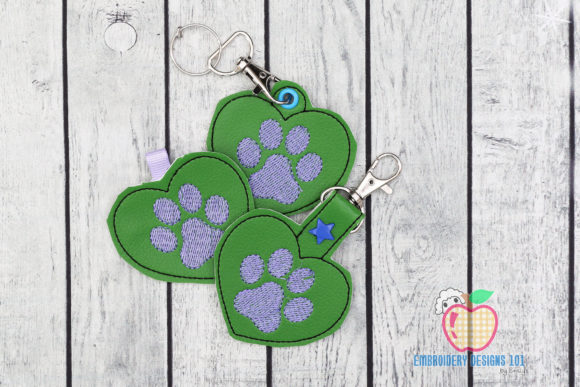
- Patches and Applique: If the file supports it, converting elements of this design into an applique design could reduce stitch count and add texture. Alternatively, stitching it onto twill for an embroidered patch creates a durable product that customers love for jackets and backpacks.
Technical Considerations for Professional Results
Before committing to a production run, there are several technical factors every designer must consider. While the description highlights fun and playfulness, the mechanics of the stitchout determine the quality of the finished product.
Stitch Density and Underlay: Dark fabrics can be tricky. If the design relies heavily on light thread colors, a solid underlay or a backing layer might be necessary to prevent the fabric color from showing through. I recommend running a test stitch-out on scrap fabric similar to your final material. Pay close attention to small details like the eyes or nose; if these areas use tiny satin stitch columns, they may need manual adjustment in your editing software to ensure they don't bunch up.
Hoop Size and Placement: Always confirm the required hoop size before purchasing. Some designs look small in previews but require a large hoop due to extensive jump stitches or framing. For small hoop sizes, ensure the design fits without cutting off critical elements of the dog's silhouette. Additionally, if you plan to use this for personalized gift items like kitchen towels or pillow covers, check that the design scales well. Shrinking a design too much can cause running stitch details to merge, losing definition.
Fabric Texture and Washing: Products that need frequent washing, such as baby blankets or aprons, demand secure stitching. Inspect the back of your test sample for loose threads or excessive buildup. Using a high-quality stabilizer is non-negotiable for maintaining the integrity of Playing Dog over the life of the item.
Enhancing Product Value and Brand Trust
In the world of Etsy selling and handmade shops, presentation is everything. A well-executed embroidery design directly influences buyer trust and perceived value. Playing Dog has the potential to elevate a basic item into a premium good. When photographed correctly, the texture of the fill stitch and the crispness of the outlines can make a product listing stand out in a crowded marketplace.
Consistency is key for brand building. If your shop specializes in pet lovers or playful home goods, integrating Playing Dog across different products—from custom apparel to home decor—creates a cohesive collection. This visual consistency helps customers recognize your brand and encourages repeat purchases. Furthermore, using high-quality Creative Fabrica embroidery assets allows you to focus more time on marketing and customer service rather than digitizing from scratch.
Final Verdict and Practical Advice
Is Playing Dog worth downloading? For designers seeking a charming, versatile motif that fits well within the Dogs category, it is a strong contender. Its ability to adapt to various Embroidery projects makes it a valuable asset for both personal crafting and small business inventory.
However, success depends on preparation. Before selling finished items, strictly adhere to the following checklist:
- Verify Licensing: Always read the license terms on the Creative Fabrica product page. Ensure that commercial use is permitted for the specific way you intend to sell your goods (e.g., physical finished products vs. digital redistribution).
- Check File Formats: Confirm that the download includes the specific digital embroidery file formats compatible with your machine (PES, DST, EXP, etc.).
- Test on Mockups: Create printable mockup images to visualize how the design looks on different colored garments before stitching. This saves thread and time.
- Inspect Details: After your first stitch-out, closely inspect small details. If necessary, use embroidery software to tweak pull compensation or stitch angles for your specific fabric type.
In conclusion, Playing Dog offers a delightful blend of character and utility. With the right stabilizer, thread choices, and fabric selection, it can become a staple in your portfolio of commercial embroidery products. Whether you are creating a one-of-a-kind gift or stocking your online shop, this design provides a solid foundation for creative success.