Polly the Parrot: A Craft Fair Embroidery Review
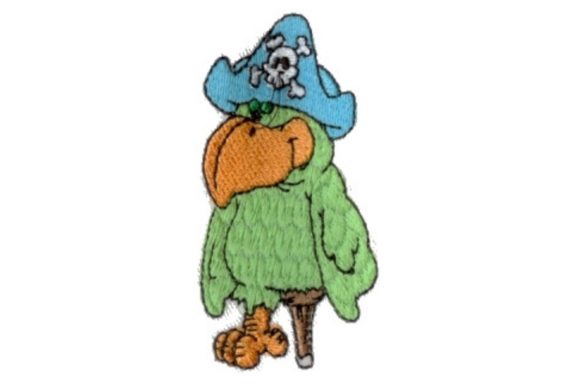
As an experienced embroidery designer preparing for a busy weekend at the local craft fair, my table needs to stop customers in their tracks. I am constantly evaluating which machine embroidery design will translate best from a digital screen to a tangible handmade product. This week, I am putting "Polly" under the microscope. Based on the exclusive artwork from Mooseb, this cute little parrot is pitched as the perfect addition to a pirate collection. But does it work for a general handmade market, or is it too niche? Let's break down how Polly performs when the pressure is on and the booth doors open.
First Impressions and Visual Appeal
When I first loaded the digital embroidery file into my software, the immediate impression was one of playful charm. The description promises fun, and the visual delivery matches that promise. Polly feels undeniably cute and slightly whimsical, leaning towards a modern-cartoon aesthetic rather than a rustic or farmhouse vibe. For a craft fair environment, where buyers are often looking for unique gifts or items that spark joy, this personality is a massive asset.
The design does not scream "elegant" or "minimal," which is perfectly fine. Instead, it offers a bold pop of character. In a sea of generic floral patterns and monograms, a well-executed parrot stands out. The key here is whether the colors translate well. Since the source art is exclusive, I am assuming vibrant thread colors are essential. If the greens, reds, and yellows are saturated correctly, Polly becomes a focal point that draws the eye from three feet away, which is critical for booth traffic.
Product Suitability for Market Sales
The real test for any design is its versatility across different blanks. I imagined setting up my display with a variety of items to see where Polly shines brightest.
- Tote Bags and Market Bags: This is likely the strongest contender for Polly. A tote bag design needs to be durable and visible. Placed centrally on a canvas tote, Polly acts as a statement piece. It appeals to the "fun shopper" demographic and makes for an excellent impulse buy.
- Aprons and Tea Towels: For apron embroidery, placement is key. Polly works wonderfully on the bib of an apron or the corner of a kitchen towel. However, tea towel embroidery requires careful attention to fabric texture. If the towel is too looped or textured, the finer details of the parrot's feathers might get lost.
- Caps and Patches: An embroidered patch featuring Polly could be a huge seller for kids or pirates of all ages. On a curved cap surface, the design needs to be small enough to fit the panel but large enough to remain recognizable. If the design is too wide, it might distort on the front of a baseball cap.
- Pillow Covers and Pouches: These make great small shop product additions. A zippered pouch with Polly is a perfect gift item. On pillow covers, the design serves as a decorative accent that adds personality to a home without overwhelming the room.
Production Practicality and Batch Efficiency
For an Etsy seller or craft fair vendor, time is money. Can I batch produce Polly efficiently? The answer depends largely on the stitch density. If the design relies on heavy satin columns for the feathers, it will look premium and shiny, but it may require more trimming and longer run times. Conversely, if it uses fill stitches, it might be faster but could lack that "pop" unless the underlay is perfect.
The design appears to be a standalone character, which means it doesn't rely on complex lettering that often causes registration issues. This makes it highly repeatable. I can hoop five tote bags, run the design, and move on. This repeatability is crucial for maintaining stock levels during peak seasons. Furthermore, because the subject matter is universally understood—a parrot—it photographs incredibly well for online listings. A clear, high-contrast image of Polly on a neutral background makes for a compelling printable mockup or social media post.
Critical Considerations for Execution
While Polly has high sales potential, there are technical hurdles to clear before listing it as a craft fair product. As a professional, I always advise checking the following before committing to a full production run:
- Fabric Texture and Contrast: Avoid stitching Polly on dark fabrics unless the design includes a solid underlay or backing. Light thread on dark fabric can look ghostly if the coverage isn't dense enough. Similarly, avoid highly textured fabrics like thick waffle weaves where the needle might skip or the design might sink.
- Small Details: Check the beak and eyes. In smaller sizes, tiny details can merge into a blob. If you plan to sell small patches or pouches, ensure the hoop size allows for a large enough scale to maintain clarity.
- Stabilizer Selection: Given the likely curvature of a parrot shape and potential density, using the right stabilizer is non-negotiable. A cut-away stabilizer is often safer for wearables like t-shirts and totes to prevent distortion after washing, whereas tear-away might suffice for rigid home decor items.
- Licensing Verification: The description notes the art is based on exclusive artwork from Mooseb. Before selling any finished product, you must confirm the commercial licensing terms of the embroidery file. Some designers allow unlimited physical sales, while others have caps. Never assume; always read the license included with your design assets.
Maximizing Buyer Engagement
Ultimately, Polly affects the visual appeal of your booth by adding a touch of narrative. It tells a story of adventure and fun. When a customer sees a well-stitched parrot, they don't just see thread; they see a character. This emotional connection drives buyer engagement. It transforms a simple tote bag into a conversation starter.
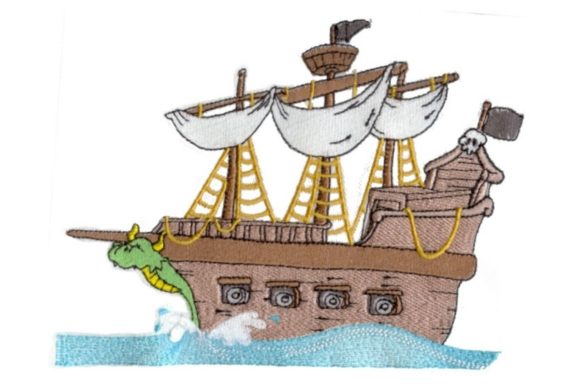
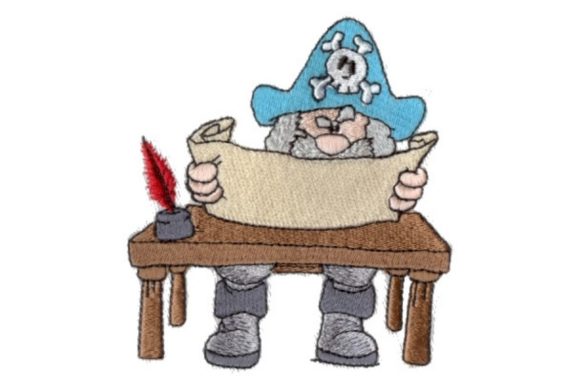
To maximize this, I recommend creating a dedicated "Pirate & Adventure" section in your booth or shop. Group Polly items with other nautical or animal-themed goods. This creates a cohesive brand consistency that makes your stall look professional and curated. Whether you are a boutique maker or a digital seller providing files to others, the quality of the stitch-out defines the perceived value. A clean, crisp Polly signals high-quality commercial embroidery, justifying a higher price point.
In conclusion, Polly is a strong contender for the upcoming season. It balances cuteness with boldness, making it suitable for a wide range of demographics from children to adults who love whimsical decor. By paying attention to fabric choices, stabilizer support, and licensing details, this design can become a staple in your product lineup. Test it on scrap fabric first, check your thread contrast, and then let this little captain help you sail toward a successful market day.