Mom Bird: A Redwork Review for Real Projects
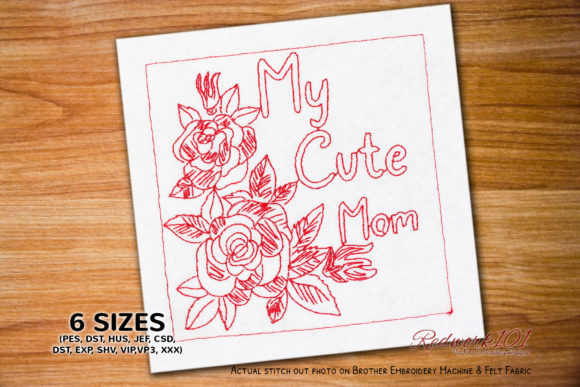
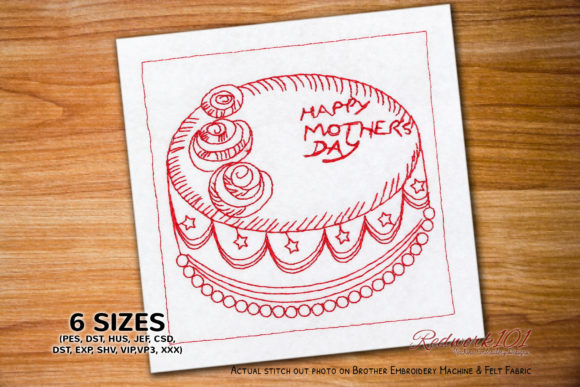
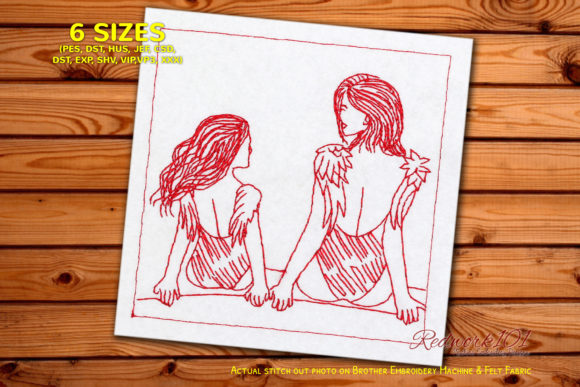
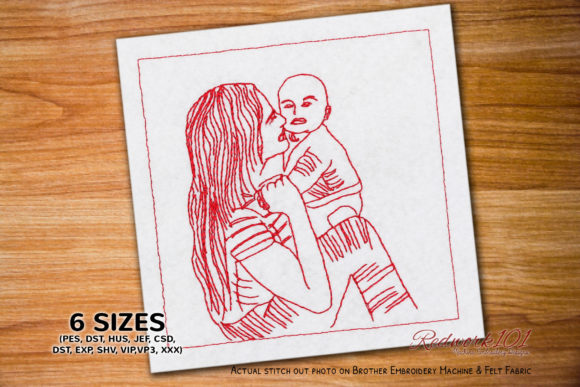
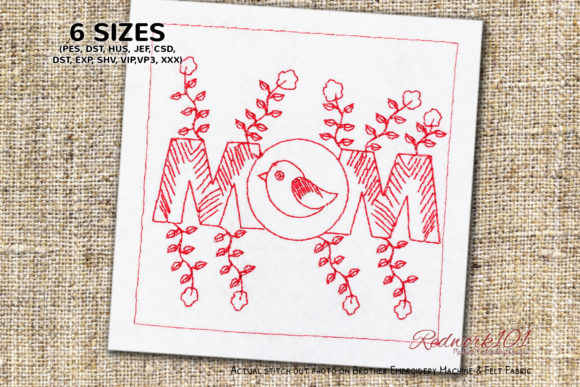
When I first pulled up the Mom Bird file on my screen, I wasn't looking for flashiness. As a designer who spends half my life troubleshooting dense fills and managing thread breaks, I look for clarity, charm, and stitch integrity. This design immediately struck me as a quintessential redwork piece. It relies on the beauty of the outline rather than heavy saturation, which is often exactly what is needed for projects that need to feel handmade and heartfelt without looking bulky.
The mood here is nostalgic and tender. In the world of machine embroidery design, redwork holds a special place. It harkens back to early 20th-century quilting, where a single color of thread was used to create intricate scenes on home-spun fabric. Mom Bird captures that spirit perfectly. The lines appear clean, suggesting a running stitch or a very tight satin column that maintains definition even at smaller scales. For anyone building a collection of design assets for a craft business, this kind of versatility is gold.
Visualizing the Finished Product in a Retail Setting
I started imagining where this would actually live in a customer's home or wardrobe. My mind went straight to a custom tote bag design. Picture a natural canvas tote, perhaps dyed a soft sage or left in its raw ecru state. Stitching Mom Bird in a deep cranberry or rust-red thread right in the center creates an instant focal point. Because redwork is essentially line art, it doesn't add significant weight or stiffness to the fabric. This is crucial for bags that need to remain flexible and usable.
Beyond bags, I see immense potential for sweatshirt embroidery. A heather grey crewneck with this bird stitched over the heart area feels incredibly current. It taps into the "cottagecore" aesthetic that is still driving sales for many Etsy sellers and boutique owners. Unlike a large, dense fill that might crack or feel like a plastic patch after a few washes, the open nature of this design allows the fabric to breathe and move with the wearer. It transforms a basic garment into a personalized gift that feels curated rather than mass-produced.
For those focusing on baby embroidery, this is a safe and beautiful bet. Baby skin is sensitive, and parents are often wary of thick, scratchy stitching on onesies or blankets. Mom Bird, executed as a light redwork pattern, offers visual interest without the tactile bulk. It would look adorable on a muslin swaddle or a bib, provided the stitch density is appropriate for the delicate fabric.
Technical Considerations for the Working Designer
While the aesthetic is charming, we have to talk about the mechanics. The product description notes that the "Box Stitch shown in the picture is optional" and that the outer box color differs. This is a critical detail for production. If you are selling these as commercial embroidery items, consistency is key. You need to decide immediately: are you including the box or not? If you include it, does it frame the bird too tightly for a curved surface like a cap?
Speaking of caps, this is where caution is required. Curved surfaces distort designs. A square box surrounding a bird might look pinched or warped when stitched onto a structured baseball cap. If your plan involves headwear, I strongly recommend testing the version without the box first. The organic shape of the bird itself will likely sit much better on a crown than a rigid geometric border.
Fabric texture also plays a massive role here. Redwork exposes every wobble. On a smooth, high-thread-count cotton, Mom Bird will look crisp and professional. However, if you attempt this on a textured linen or a fuzzy fleece, the fine lines of the running stitch might get lost or appear jagged. For a handmade product intended for sale, your material choice dictates the perceived value. Do not try to cut costs by using cheap, uneven fabrics with a design that demands precision.
Navigating Dark Fabrics and Contrast
The classic redwork look assumes a light background. But what if a client wants this on a navy hoodie or a black apron? The standard red thread might vanish against dark backgrounds, losing all definition. In these scenarios, you must treat the embroidery file as a template rather than a fixed rule. You may need to swap the thread colors to a bright cream, gold, or even a stark white to ensure the Mom Bird silhouette pops. Always run a test stitch-out on the actual garment color before committing to a production run. What looks vibrant on your monitor can disappear entirely under shop lighting if the contrast isn't perfect.
Business Viability and Brand Consistency
For the small shop product creator, Mom Bird is a low-risk, high-reward asset. Because it uses minimal thread, your cost per unit remains low, improving your profit margins. It stitches out quickly, allowing you to fulfill orders faster during peak seasons like Mother S Day or holidays. Speed without sacrificing quality is the holy grail for craft business owners.
However, remember that the "optional box" feature requires clear communication in your listings. If you sell digital files, specify clearly whether the box layer is included as a separate object in the software or if it requires manual editing. If you sell finished goods, ensure your printable mockup images accurately reflect the final stitched item. Misleading photos lead to returns and erode customer trust.
There is also the question of licensing. Before listing this as part of a commercial catalog, verify the terms. Can you sell the physical embroidered item? Can you sell the digitized file itself? These distinctions protect your business from legal headaches down the road.
Final Verdict and Practical Tips
Mom Bird earns a spot in my library for its timeless appeal and adaptability. It is not a design that screams for attention; instead, it whispers warmth, which is often more effective in building an emotional connection with a buyer. It fits seamlessly into nursery decor, kitchen textiles, and casual apparel.
Before you start stitching for clients, follow these practical steps:
- Test on scrap fabric: Never skip this. Check how the fabric puckers and how the stabilizer holds up.
- Review stitch density: Ensure the lines aren't so sparse that they gap, nor so dense that they perforate thin materials.
- Check hoop size: Confirm the design fits your available hoops, especially if you plan to do multi-item batching.
- Inspect small details: Look closely at the bird's beak and eye. Are they distinct? Do they merge into the body?
- Stabilizer selection: For stretchy knits, use a cut-away stabilizer to prevent distortion over time. For woven totes, a tear-away might suffice.
- Thread contrast: Experiment with variegated threads for a unique twist, but ensure the variation doesn't obscure the line work.
In the end, Mom Bird is a solid choice for the discerning maker. It respects the medium of embroidery by utilizing simple lines to create complex emotion. Whether you are creating a one-off gift for a friend or scaling up a line of boutique apparel, this design offers the reliability and charm necessary to succeed in a crowded market. Just respect the nuances of your fabric and machine, and let the simplicity of the redwork shine.