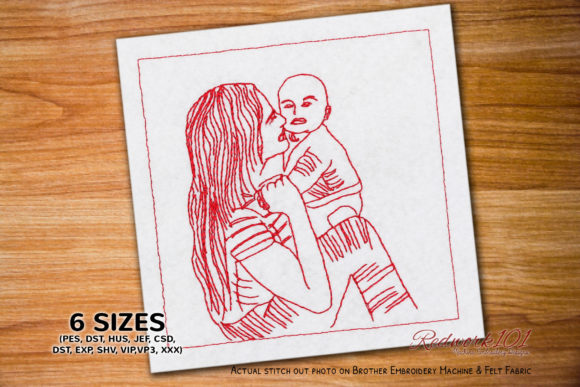
Mom Playing with Boy: A Redwork Review for Craft Fairs
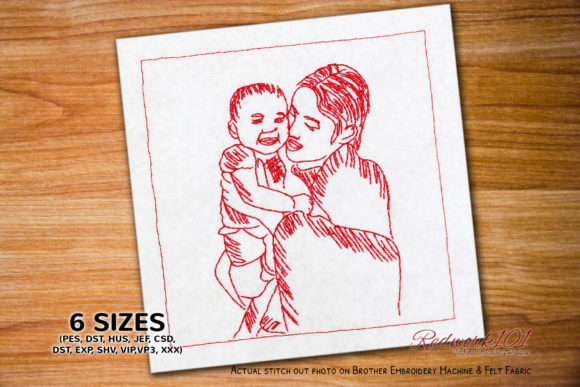
As an embroidery designer who has spent countless weekends setting up booth displays and managing inventory for handmade markets, I know that the difference between a design that sits on the shelf and one that flies out the door often comes down to immediate visual impact. When I first pulled up the Mom Playing with Boy file on my screen, my initial reaction was one of warmth. This playful redwork embroidery promises to add a spark of happiness to almost any fabric you choose, which is exactly the kind of emotional hook needed for a successful craft fair product. In the fast-paced environment of a weekend market, customers do not have time to decipher complex imagery; they need to feel something instantly. This design delivers that feeling with its simple, nostalgic lines.
First Impressions and Market Appeal
The aesthetic of Mom Playing with Boy leans heavily into the farmhouse and rustic categories, making it a perfect fit for the current trends in home decor and personalized gifting. Redwork, by its nature, relies on a single thread color against a neutral background, creating a high-contrast look that is both bold and minimal. For an Etsy seller or a boutique maker, this simplicity is a massive advantage. It translates beautifully across different mediums without losing its charm. The description notes that the box stitch shown in promotional images is optional, which gives us incredible flexibility. We can choose to frame the scene for a structured look on a pillow cover or remove the border entirely for a softer, floating effect on a tote bag. This adaptability is crucial when trying to maximize the utility of a single digital embroidery file across a wide range of products.
Product Versatility for the Handmade Booth
When planning my table display, I am always looking for designs that perform well on multiple substrates. Mom Playing with Boy shines particularly bright on kitchen linens. Imagine a set of flour sack towels featuring this design; the red thread pops brilliantly against the natural cream or stark white of the fabric. As a tea towel embroidery choice, it suggests a story of family and care, which resonates deeply with shoppers looking for housewarming gifts. Similarly, this design is a strong contender for apron embroidery. An apron worn by a mother cooking with her son becomes a wearable memory, elevating a standard utility item into a cherished keepsake.
Beyond the kitchen, this design works exceptionally well on tote bags. A canvas tote bag design featuring this redwork silhouette creates a stylish yet sentimental accessory. Because redwork typically uses a running stitch or similar simple stitches, the back of the embroidery remains relatively clean, which is important for items like bags where the interior might be visible. For smaller items, consider creating an embroidered patch. By stitching this onto a twill base with a merrowed edge, you create a durable badge that customers can iron onto denim jackets or backpacks, expanding your reach beyond just finished goods.
Production Realities and Practical Considerations
From a production standpoint, the simplicity of redwork is a double-edged sword that must be managed carefully. On one hand, low stitch density means faster machine run times, allowing for efficient batch production—a necessity when preparing inventory for a busy holiday season like Mother S Day. On the other hand, simple designs leave no room for error. Every wobble in the fabric registration or slight tension issue will be immediately visible. Before committing to a full run of finished products, it is imperative to test the design on scrap fabric that matches your final material. You must check thread contrast rigorously; a dull red on a beige towel might look muddy in person even if it looks vibrant on your monitor.
One specific detail mentioned in the product notes is that the color of the outer box is different in most options. This suggests that if you choose to include the box, you may need to manage two thread colors or ensure your single-color approach still defines the boundary clearly. When working on textured towels or thick fabrics like those used for caps, the needle penetration can distort simple lines. Therefore, using the right stabilizer is non-negotiable. For stretchy fabrics or curved surfaces like baseball caps, a cut-away stabilizer is often safer than tear-away to prevent the design from puckering over time. Always confirm the recommended hoop size before starting; while redwork is often small, ensuring the entire scene fits within your hoop without re-hooping is vital for alignment consistency.
Visual Impact and Customer Engagement
In a crowded marketplace, visual hierarchy determines sales. Mom Playing with Boy acts as a focal point that draws the eye without overwhelming the product. Its "cute" and "soft" vibe invites customers to pick up the item and feel the texture. For online listings, this design photographs exceptionally well. The high contrast of red on white or natural linen creates a crisp image that stands out in thumbnail views on social media and marketplaces. Creating a printable mockup or taking photos of a real sample on a draped fabric can significantly boost click-through rates. The design assets provided should be leveraged to create lifestyle images showing the embroidery in use—perhaps on a picnic blanket or hanging in a sunny kitchen—to help the buyer visualize the finished product in their own life.
However, caution is advised regarding scale. Designs with fine details can lose clarity if resized too small. If you plan to use this as a tiny accent on a pocket or a small pouch, verify that the connecting stitches remain intact and the silhouette is recognizable. Tiny lettering or intricate gaps in the redwork might fill in with thread bloom on dark fabric, so lighter fabric choices are generally safer for this specific style unless you are experienced with underlay techniques.
Final Verdict for the Creative Entrepreneur
Ultimately, Mom Playing with Boy is a versatile asset for any small shop product line. It bridges the gap between decorative art and functional utility. Whether you are selling commercial embroidery services to local boutiques or running your own handmade stall, this design offers a reliable return on investment due to its speed of production and broad appeal. It reinforces brand consistency by allowing you to offer a cohesive "family" collection across pillows, towels, and bags. Just remember to review all technical specifications included with the file, such as exact stitch counts and license terms, before selling. With proper testing and thoughtful presentation, this redwork design has the potential to be a staple seller that brings a genuine spark of happiness to your customers and your bottom line.