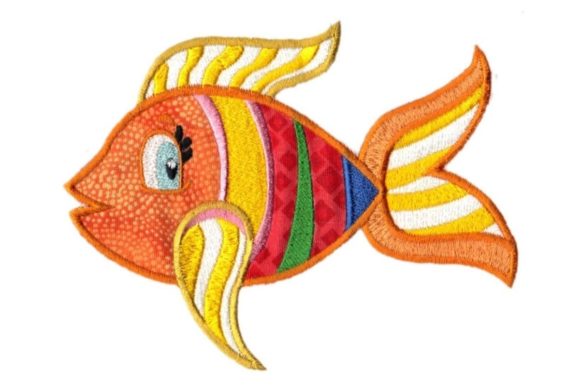
Orange Tropical Fish: A Bold Pick for Craft Fair Success
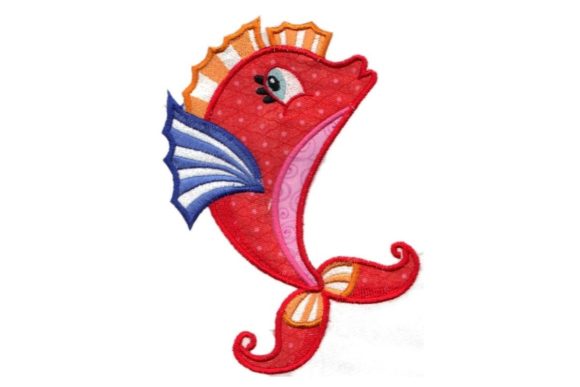
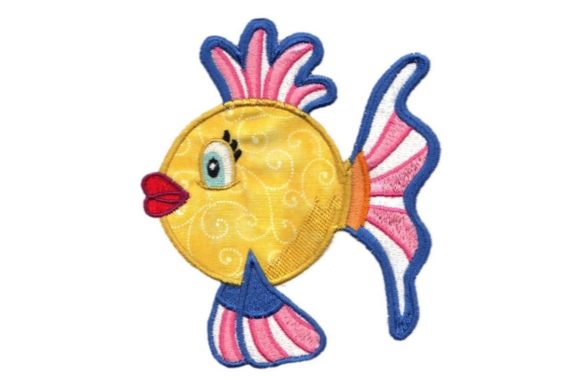
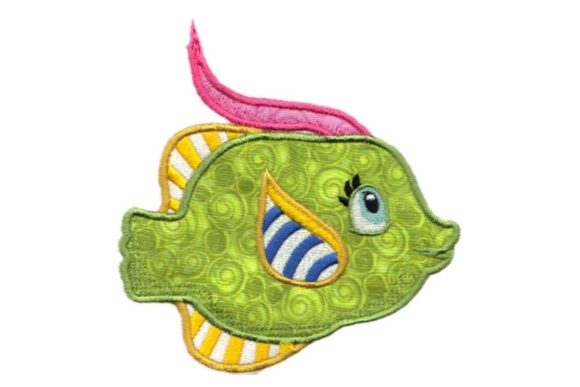
As I lay out my table for this weekend's craft fair, my eyes keep drifting back to the Orange Tropical Fish design. In the world of handmade markets, first impressions are everything. You have mere seconds to catch a browser's eye before they move to the next booth. This specific machine embroidery design hits a sweet spot between playful vibrancy and practical application. It isn't trying to be overly rustic or strictly minimalist; instead, it offers a pop of color that screams "summer" and "fun," making it an instant conversation starter for potential buyers.
The description notes that this is meant for machine applique, which immediately changes how I approach production. Applique adds texture and dimension that flat stitching simply cannot match. For a craft fair product, that extra layer of fabric creates a premium feel that justifies a higher price point. When a customer runs their hand over an embroidered item, the tactile difference of applique often seals the deal.
Visual Impact and Market Appeal
The color orange is a powerhouse in retail psychology. It suggests energy, enthusiasm, and warmth. On a crowded display table filled with neutral linens and muted tones, the Orange Tropical Fish acts as a visual anchor. It feels bold yet approachable. While some designs lean heavily into farmhouse chic or elegant script, this design leans into a modern, decorative aesthetic that appeals to a wide demographic, from parents looking for unique children's clothing to adults seeking cheerful home decor.
For an Etsy seller or boutique maker, the photogenic quality of this design is a major asset. The contrast between the orange fabric of the fish and the surrounding stitching photographs beautifully for printable mockup listings. High-contrast images stop the scroll on social media and marketplaces. Whether you are selling the digital embroidery file itself or the finished product, the visual clarity of the subject matter ensures customers understand exactly what they are getting at a glance.
Ideal Products for Maximum Sales
When deciding where to place this design, context is key. Based on the description suggesting suitability for towels and bath supplies, here is how I would strategically deploy it across my inventory:
- Kitchen and Bath Linens: This is the strongest category for this design. A set of tea towel embroidery featuring tropical fish creates an instant theme. The white background of most kitchen towels provides the perfect canvas for the bright orange applique to shine.
- Tote Bags and Market Bags: A tote bag design needs to be readable from a distance. The simplified shapes typical of applique work well here, making the bag a walking advertisement for your brand.
- Children's Apparel: Kids love animals and bright colors. Placing this on a denim jacket or a cotton tee creates a high-value handmade product that stands out against mass-produced retail clothing.
- Patches and Pins: If you hoop multiple items at once, creating standalone embroidered patches is a great way to utilize scrap fabric. These low-cost add-ons increase the average transaction value at your booth.
While caps and pillow covers are viable options, one must consider the surface area. A cap has a curved surface which can distort larger applique pieces if not hooped correctly. Similarly, pillow covers offer a large canvas, but the design might need to be scaled up to avoid looking lost on a standard 18-inch square.
Production Realities and Designer Notes
Turning a digital embroidery file into a stack of sellable goods requires more than just hitting "start." As a professional, I always advise testing the Orange Tropical Fish on scrap fabric first. Applique involves multiple steps: the tack-down stitch, cutting the fabric, and then the final cover stitch. Each step introduces potential pitfalls.
Stitch density is a critical factor here. If the density is too high on the covering stitch, the orange fabric may pucker or become stiff. Conversely, if it is too low, the base fabric underneath might peek through, ruining the clean look. You must also pay close attention to thread colors. The thread used to outline the applique should contrast enough to define the shape but not so much that it distracts from the orange fabric itself.
There are specific "careful-use" scenarios to consider. If you are embroidering on textured towels, the loop of the terry cloth can sometimes get caught in the stitching or make the cut edges of the applique look fuzzy. Using a sharp pair of applique scissors and possibly a light application of fray check (if safe for the end user) can mitigate this. Furthermore, when working on dark fabrics, ensure the instructions included with the file account for a light-colored underlay or backing, otherwise, the orange may appear dull.
Batch Production and Consistency
For those running a small shop, repeatability is the name of the game. Can you produce twenty of these in an afternoon? The answer usually lies in the hoop size and the complexity of the trim. Since the prompt mentions following included instructions, it is vital to verify the recommended hoop dimensions before committing to a large batch. If the design requires a large hoop, your production speed may decrease unless you have a multi-needle machine or a large frame setup.
Consistency in your design assets builds brand trust. If the Orange Tropical Fish looks crisp on one towel but sloppy on another due to poor stabilizer choice, it reflects poorly on your entire booth. Always use the right stabilizer for the fabric weight. Towels need a cut-away stabilizer to support the weight of the wet loops, while woven cottons for tote bags might do fine with a tear-away.
Final Verdict for the Handmade Entrepreneur
The Orange Tropical Fish is a versatile contender for any commercial embroidery lineup. It bridges the gap between novelty and decor, making it suitable for a wide range of small shop products. Its strength lies in its simplicity and color saturation, which translate well from digital preview to physical object.
However, success depends on execution. Do not assume the file is ready for immediate mass production without a test run. Check the spacing of the satin stitches, confirm that the applique fabric does not shift during the tack-down phase, and ensure the final product feels durable. Remember, the description states these designs are meant for machine applique and instructs users to follow included guidelines. Since specific details like exact stitch count, file formats, or specific license terms for resale were not fully detailed in the snippet provided, you must review the full documentation accompanying the download.
Confirming commercial licensing is non-negotiable before selling finished goods at a fair or online. Once you have verified the rights and perfected your technique, this design has the potential to be a top seller. It brings a splash of joy to everyday items, turning a simple towel or bag into a cherished handmade gift. In a market saturated with generic goods, that touch of vibrant, textured personality is exactly what drives sales.