Reviewing Embroidery Needlework Collection for Craft Fairs
As an embroidery designer who has spent countless weekends setting up booth displays and managing handmade shop inventories, I know that the difference between a slow Saturday and a sold-out Sunday often comes down to the designs on the table. Recently, I had the opportunity to review the Embroidery Needlework Collection with a specific goal in mind: determining its viability for upcoming craft fair products and handmade market goods. This isn't just about looking at pretty pictures on a screen; it is about evaluating how these graphics translate into tangible, sellable items like tote bags, aprons, and patches.
First Impressions and Visual Appeal
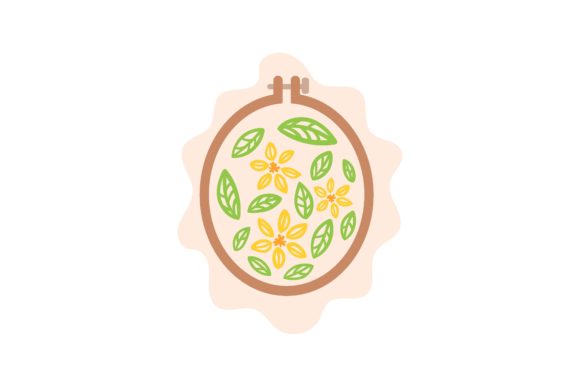
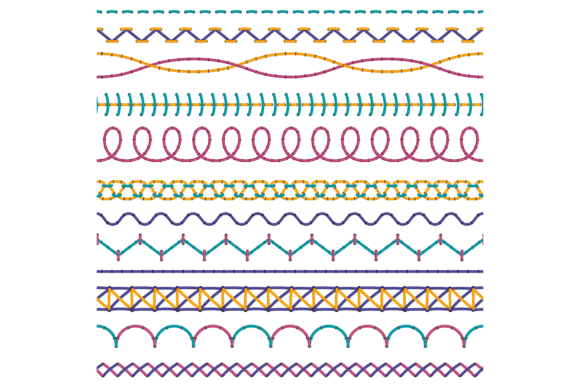
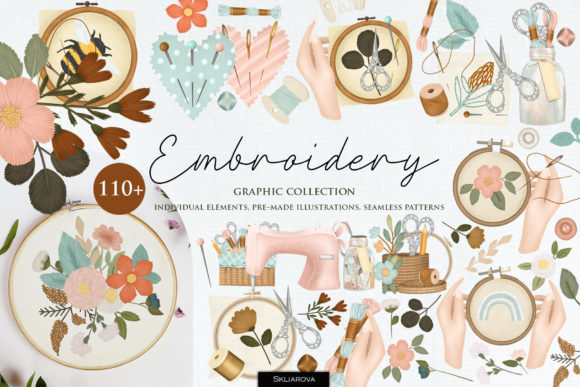
Upon opening the files, the first thing that strikes me about the Embroidery Needlework Collection is its versatility. The collection includes more than 100 separated PNG and JPG files with transparent backgrounds, offering 76 distinct elements. For a boutique maker, this level of separation is gold. It means I am not stuck with a single static image; I can mix and match elements to create unique compositions that feel custom-made rather than mass-produced.
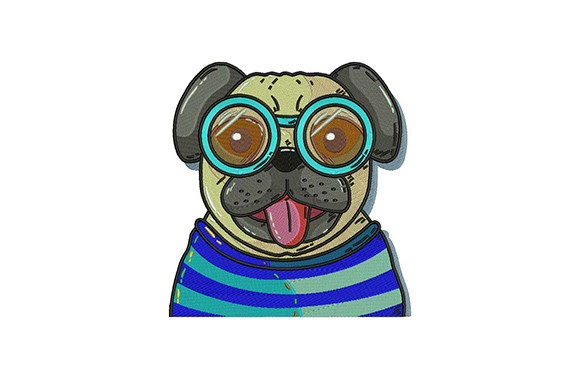
The aesthetic leans towards a charming, illustrative style that fits perfectly with current trends in the handmade community. Whether you are aiming for a rustic farmhouse vibe or a modern, minimal look, these Illustrations provide a strong foundation. The fact that there are 24 pre-made illustrations sized at approximately 10×10 inches (25.4×25.4 cm) suggests these are intended as focal points. They are bold enough to command attention on a large market bag but detailed enough to serve as the centerpiece of a decorative pillow cover.
Product Applications for the Craft Fair Booth
When planning my table display, I immediately started visualizing where these Graphics would perform best. Here is how I see the Embroidery Needlework Collection enhancing various craft fair products:
- Tote Bags and Market Bags: The 3000×3000 px resolution ensures that when these designs are digitized into a machine embroidery design, they will remain crisp even at larger sizes. A floral element from the collection placed centrally on a canvas tote creates an instant tote bag design that customers love.
- Aprons and Tea Towels: Kitchen linens are staples at any handmade market. The apron embroidery potential here is high, particularly using the smaller elements from the 76 available assets to create a pocket accent or a hem detail. Similarly, tea towel embroidery benefits from the clean lines of these illustrations, which stand out well against textured cotton.
- Patches and Caps: Creating an embroidered patch requires a design with clear boundaries. The separated elements in this collection allow me to isolate specific motifs, making them ideal for iron-on patches or direct stitching onto caps. However, curved surfaces like caps require careful consideration of the design's width and density.
- Pillow Covers and Pouches: For home decor items, the pre-made illustrations offer a ready-to-stitch solution. They add a touch of handmade quality that elevates a simple fabric pouch into a giftable item.
Practical Production and Selling Points
From a production standpoint, the Embroidery Needlework Collection offers significant advantages for batch production. As an Etsy seller or small shop owner, time is money. Having access to over 100 files means I can create a wide variety of small shop products without needing to source new artwork constantly. The transparency of the PNG files makes creating a printable mockup for online listings incredibly easy, allowing me to showcase the finished product before I even stitch the first thread.
The designs appear to have a good balance of open space and detail, which is crucial for readability at a glance. In a busy craft fair environment, customers make split-second decisions. A design that is too cluttered gets ignored, while one that is too simple might feel underwhelming. These design assets seem to hit the sweet spot, offering enough visual interest to draw people in while remaining clear enough to be understood from a few feet away.
Important Considerations for Digitizing and Stitching
While the source files are excellent digital embroidery file candidates, turning them into physical products requires technical caution. Since the provided description details PNG and JPG formats, you will need to digitize these yourself or hire a digitizer. Here are critical factors to keep in mind:
- Stitch Density: When converting these illustrations, be mindful of stitch density. Large solid areas can become stiff and pucker the fabric, especially on lighter materials like tea towels. Break up large fills with running stitches or satin borders where appropriate.
- Fabric Texture: The fabric texture plays a huge role in the final look. A design that looks sharp on smooth cotton might get lost on a waffle-weave towel. Always test your embroidery file on the actual material you intend to sell.
- Thread Colors: With so many elements, it is tempting to use every color available. However, limiting your thread colors can reduce production time and create a more cohesive brand look. Consider how the design performs on dark fabric versus light fabric; you may need to adjust underlay settings.
- Hoop Size: Before committing to a full run, confirm your hoop size. While the pre-made illustrations are 10x10 inches, ensure your machine can handle this area or be prepared to re-digitize for smaller hoops if you are making patches or pouches.
- Stabilizer Selection: The right stabilizer is non-negotiable. For stretchy fabrics like those used in caps or some tote bags, a cut-away stabilizer is often necessary to prevent distortion over time.
Maximizing Customer Engagement
Ultimately, the value of the Embroidery Needlework Collection lies in its ability to enhance your brand consistency. By using elements from the same family across different products—matching a tote bag to a pillow cover—you create a curated display that encourages multiple purchases. Customers appreciate seeing a thoughtful collection rather than random, disconnected items.
For commercial embroidery ventures, this collection provides a robust library of Illustrations that can be adapted for seasonal releases. Whether you are preparing for a holiday market or a spring craft fair, having 76 elements allows you to refresh your inventory quickly. Just remember to check the specific licensing terms regarding commercial embroidery before selling finished goods, as rules can vary between designers.
In conclusion, the Embroidery Needlework Collection is a powerful tool for any creative entrepreneur looking to expand their product line. Its strength lies in the flexibility of its separated elements and the high resolution of its pre-made layouts. By paying attention to digitization details like stitch density and stabilizer choice, you can transform these digital Graphics into high-quality, best-selling handmade products that stand out in any marketplace.