Review: Embroidery Stitches. Fashion Fabric Stit
As a designer who spends more time threading needles than browsing catalogs, I approach new design assets with a healthy dose of skepticism. We have all downloaded a file that looked crisp on the screen but turned into a bird's nest of thread on the hoop. That is why I took a close look at Embroidery Stitches. Fashion Fabric Stit. This isn't just another generic graphic; it is a collection that speaks directly to the texture and construction of the garment itself. For Etsy sellers, boutique owners, and hobbyists looking to elevate their handmade product lineup, understanding how this set translates from vector to thread is crucial before committing to a client order.
The Aesthetic: Celebrating the Construction
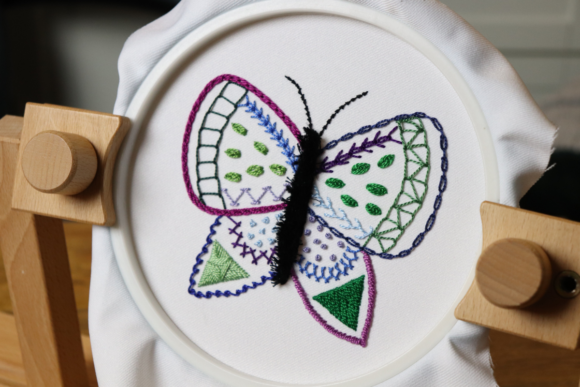
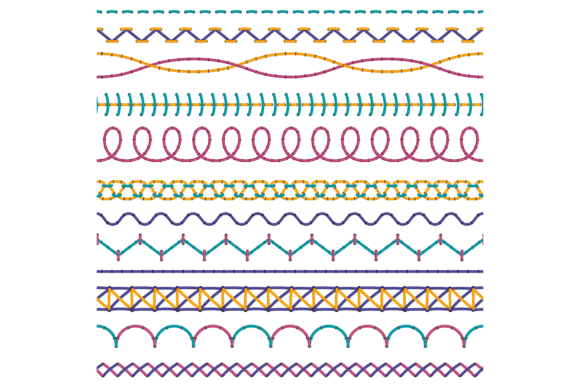
My first impression of Embroidery Stitches. Fashion Fabric Stit was its honesty. In an era where designs often try to hide the mechanics of sewing, this set leans into them. The visuals mimic zigzag threads, seams, and cross-stitching patterns, creating a mood that is both industrial and cozy. It feels like a peek behind the curtain of a well-made garment. The layout suggests a raw, unfinished charm that works exceptionally well for modern, minimalist branding or rustic, farmhouse-style decor.
For those of us creating custom apparel, this aesthetic is gold. It doesn't just sit on top of the fabric; it interacts with it. The design elements suggest movement and flexibility, making them ideal for items that need to feel organic rather than stiff. Whether you are aiming for a high-end boutique vibe or a playful craft fair item, the visual personality here is versatile enough to adapt without losing its core identity.
Real-World Application: The Tote Bag Test
To truly evaluate a machine embroidery design, I have to imagine it in a real-life scenario. I pictured a custom canvas tote bag design for a local farmer's market vendor. The goal was to create branding that felt durable and eco-friendly. Using elements from Embroidery Stitches. Fashion Fabric Stit, specifically the seam and zigzag motifs, I could visualize a border that frames the shop's logo perfectly.
In this context, the design shines. On a heavy cotton canvas, the simulated stitch lines would add a layer of tactile interest that a flat print simply cannot achieve. Customers love touching embroidered items; there is a perceived value in the texture. If I were selling this as a small shop product, the addition of these decorative stitches would justify a higher price point because it signals attention to detail. It transforms a basic bag into a curated accessory.
Beyond tote bags, I can see this working beautifully on sweatshirt embroidery. Imagine a crewneck with a subtle "exposed seam" detail running down the sleeve or across the chest using these graphics. It taps into the current trend of deconstructed fashion while remaining clean and professional. For baby embroidery, the softer, cross-stitch inspired elements could create gentle, nursery-ready motifs on onesies or blankets that feel handmade with love.
Technical Considerations and Fabric Choices
While the visual appeal is strong, practical execution requires caution. Because Embroidery Stitches. Fashion Fabric Stit relies heavily on linear details and simulated stitching, stitch density is a major factor. If you are working with a digital embroidery file derived from these vectors, you must ensure the lines aren't too thin. On textured fabrics like linen or waffle weave, fine running stitches might get lost or break up unevenly.
I would advise testing this design carefully on stretchy fabrics. If you attempt to use these motifs on a tight knit t-shirt without the proper stabilizer, the simulated seams could pucker, ruining the illusion of a clean stitch. Similarly, when working on dark fabrics, you need to pay close attention to thread colors. The charm of this set lies in the contrast between the "stitch" and the "fabric." If the thread blends too much, the effect vanishes. Conversely, high-contrast neon threads could turn a subtle design into something loud and cartoonish, which might not fit your brand.
Curved surfaces present another challenge. Applying these linear seam designs to a cap or a rounded pillow cover requires careful digitizing. The straight lines of a zigzag pattern can distort awkwardly over a curve if the hoop size and placement aren't calculated correctly. For beginners, sticking to flat surfaces like tea towels, aprons, or patch backs is the safest bet to maintain the integrity of the design.
Commercial Viability and Brand Consistency
For commercial embroidery professionals, consistency is key. One of the strengths of Embroidery Stitches. Fashion Fabric Stit is its potential for brand cohesion. If you are building a line of personalized gift items, using these stitch motifs as a unifying element across different products—from kitchen towels to embroidered patches—creates a recognizable signature style.
This set also serves as an excellent resource for creating printable mockup assets. Even before a single thread is stitched, you can use these graphics to show clients exactly how the finished product will look. This builds trust and helps manage expectations regarding texture and placement. However, remember that this product falls under Illustrations and Graphics. Before selling finished items or digital products based on this work, you must verify the specific licensing terms. Some graphic sets allow for unlimited commercial use on physical goods but restrict the resale of the digital files themselves.
Designer Notes for Success
To get the most out of Embroidery Stitches. Fashion Fabric Stit, treat it as a starting point rather than a final solution. Here are my top recommendations for integrating it into your workflow:
- Test on scrap fabric first: Always run a sample on the exact material you plan to use for the final product to check for puckering or thread breaks.
- Check thread contrast: Ensure your thread choice highlights the simulated stitch effect rather than blending into the background.
- Review stitch density: If digitizing this yourself, avoid overly dense fills that make the fabric stiff; keep it light to maintain drape.
- Confirm hoop size: Make sure the design fits your available hoops without needing excessive re-hooping, which can lead to alignment issues.
- Inspect small details: Zoom in on the vector files to ensure lines are continuous and won't cause jumps or trims that weaken the structure.
- Test in black and white: See how the design holds up without color reliance to ensure the shape and form are strong on their own.
- Use proper stabilizer: Match your stabilizer weight to the fabric type, especially when working with lightweight or stretchy materials.
- Verify licensing: Double-check the usage rights for craft business applications to ensure you are compliant when selling finished goods.
In conclusion, Embroidery Stitches. Fashion Fabric Stit offers a refreshing take on embroidery graphics by celebrating the very act of sewing. It is a tool that, when used with technical precision and creative foresight, can significantly enhance the perceived value of your finished product. Whether you are decorating a holiday gift or launching a new apparel line, this set provides the visual language to make your work stand out as thoughtful and professionally crafted.