Square Donut: A Retro Review for Branded Merch
As an embroidery designer who has spent years digitizing and reviewing files for small business clients, I approach every new machine embroidery design with a critical eye. It is not just about whether the art looks good on a screen; it is about how that art translates into thread, withstands washing, and elevates a brand's identity. Today, I am reviewing Square Donut, a creative and abstract piece inspired by the bold graphics of the 1950s and 1960s. This design promises a modern twist on a retro look, fitting squarely into the Shapes product category. For boutique owners, café operators, and handmade brands, the question remains: does this digital embroidery file deliver the professional polish required for commercial embroidery projects?
First Impressions and Visual Personality
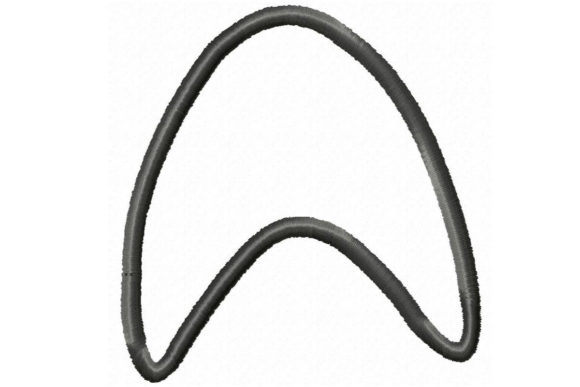
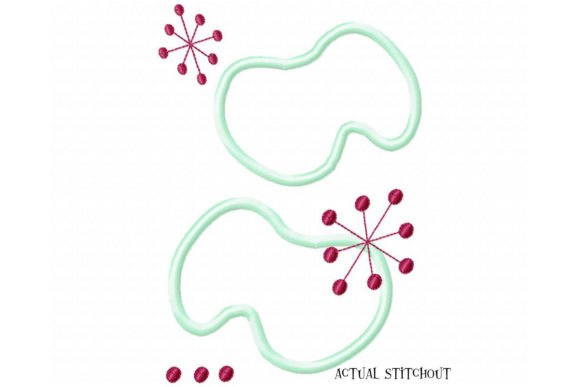
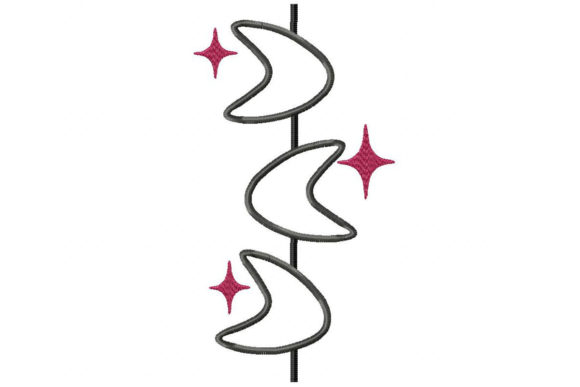
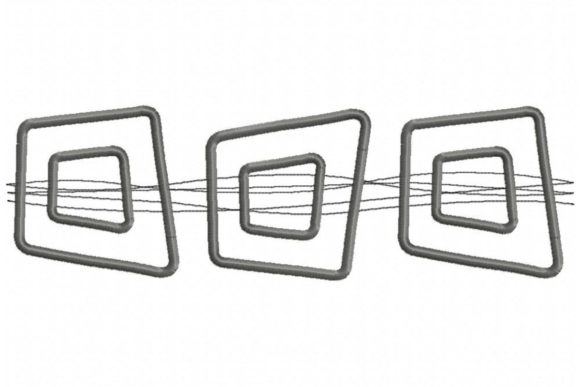
Upon loading the preview of Square Donut, the immediate impression is one of playful sophistication. The mid-century modern influence is evident, offering a geometric aesthetic that feels both nostalgic and fresh. Unlike overly intricate floral patterns that can get lost in translation, this design relies on strong lines and abstract forms. It strikes a balance between being friendly and bold, making it an excellent candidate for businesses that want to project creativity without sacrificing professionalism.
For a bakery, florist, or creative studio, this design avoids the trap of looking too "crafty" in a childish way. Instead, it leans into a curated, artistic vibe. When considering brand identity, Square Donut serves as a versatile asset. It is decorative enough to stand alone on a tote bag but structured enough to act as a subtle chest logo accent on a staff uniform. The abstract nature means it does not date quickly, ensuring your small business merch remains relevant season after season.
Real-World Applications for Small Business
The true test of any embroidery file is its versatility across different products. Square Donut shines in several key areas for commercial use:
- Embroidered Patches: This is arguably the strongest use case. The geometric shapes translate beautifully into a woven or merrow-edge patch. A local coffee shop could use these as loyalty rewards or sell them as standalone accessories.
- Staff Uniforms and Aprons: For a boutique or artisanal market stall, adding this design to an apron embroidery lineup adds a touch of personality. It works well on the bib of an apron or the sleeve of a work shirt, signaling attention to detail.
- Cap Embroidery: The simplified forms are ideal for the curved surface of a baseball cap. Placed on the side panel or even the front (depending on size), it offers a stylish alternative to text-heavy logos.
- Tote Bag Design: Canvas totes are a staple for retail brands. Square Donut provides a striking visual that enhances the perceived value of the bag, turning a simple carrier into a fashion statement.
- Product Packaging Accents: Imagine this stitched onto a fabric tag attached to handmade goods. It reinforces the handmade product narrative and adds a tactile element to the unboxing experience.
Technical Considerations and Production Challenges
While the aesthetic appeal is high, a professional review must address the technical realities of production. When working with abstract shapes and retro graphics, stitch density becomes a crucial factor. If the design features large areas of solid fill, it may become stiff, which is undesirable for soft apparel like t-shirts. Conversely, if it relies heavily on running stitches, durability on frequently washed items like uniforms could be compromised.
There are specific scenarios where Square Donut should be used with caution:
- Small Patch Sizes: If scaling this down for a tiny label, ensure the spacing between elements remains clear. Abstract designs can blur together if the details are too tight for the needle to navigate.
- Curved Surfaces: On caps or rounded sleeves, distortion can occur. It is vital to check how the geometric lines warp when stitched on a non-flat surface.
- Textured Fabric: Terry cloth towels or heavy fleece can swallow fine details. This design is best suited for medium-weight twills, canvas, or smooth cotton blends where the thread colors can pop against the background.
- Dark Uniforms: Without proper underlay or contrasting thread choices, the retro vibe might get lost on black or navy garments. Always request a version optimized for dark fabrics if available.
Impact on Brand Identity and Customer Trust
In the crowded marketplace of Etsy sellers and local artisans, visual consistency is king. Using a cohesive set of design assets like Square Donut helps build recognition. When a customer sees this specific geometric style on your packaging, your website, and your physical store signage, it creates a subconscious link of trust and professionalism.
Furthermore, high-quality custom apparel acts as a walking billboard. A well-executed stitch job tells the customer that you care about quality in all aspects of your business, not just the product you are selling. This attention to detail increases the perceived value of your finished product, allowing you to command higher price points for your merchandise.
Practical Notes for the Embroidery Designer
Before committing to a large production run for a client, I always recommend a rigorous testing phase. Here is my checklist for integrating Square Donut into your workflow:
- Test in Black and White: Strip away the color to see if the shape holds up. A strong design should be recognizable even in a single thread color.
- Check Scalability: Verify that the design retains its integrity at the smallest intended size, such as a pocket logo or small patch.
- Review Thread Contrast: Experiment with monochromatic schemes versus high-contrast retro palettes to see what best fits the client's brand.
- Inspect Spacing: Look for potential thread breaks where stitches are too close together, especially in the abstract corners of the "donut" shape.
- Confirm Hoop Size: Ensure the design fits within your available hoop options without requiring excessive re-hooping, which can lead to alignment issues.
- Test on Real Fabric: Never rely solely on a printable mockup. Stitch a sample on the actual material the client intends to use to check for puckering or pull.
- Use Proper Stabilizer: Select a stabilizer that matches the fabric weight to prevent distortion, especially important for geometric precision.
- Create a Mockup: Present a realistic visualization to the client for approval before stitching the final batch.
- Verify Licensing: Since this is for commercial embroidery, always confirm the license terms included with the file to ensure you have the right to sell items featuring this design.
It is important to note that specific technical details such as exact stitch count, available file formats, and precise hoop dimensions were not provided in the base description ("This creative and abstract embroidery design was inspired by the abstract graphics of the 1950s and 1960s. Incorporate it into your next creative project or design, for a modern twist of a retro look"). Therefore, it is imperative to check the product listing or contact the vendor for these specifics before beginning production.
In conclusion, Square Donut offers a compelling blend of retro charm and modern utility. For small business owners looking to differentiate their brand through high-quality embroidered goods, this design is a strong contender. With careful attention to fabric choice, stabilization, and sizing, it can become a cornerstone of a successful merchandise line.