Free Standing Lace: A Designer's Review for Craft Fairs
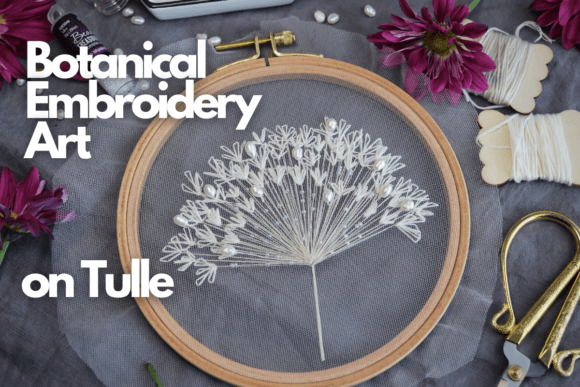
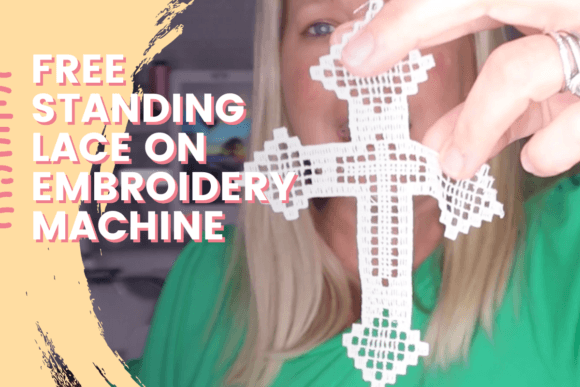
As an embroidery designer preparing for the upcoming weekend craft fair circuit, I spend hours curating which machine embroidery design files will make the cut for my booth display. This season, I am taking a close look at Free Standing Lace on Embroidery Machine. If you are new to machine embroidery you may not even be aware of free standing lace, otherwise known as FSL. Free standing lace or FSL is essentially an object made entirely out of thread that you stitch out on water-soluble stabilizer, wash away the backing, and are left with a delicate, standalone textile piece. For those of us running small shops or selling on Etsy, understanding the commercial potential of this technique is vital.
First Impressions and Aesthetic Appeal
When I first pulled up the preview for Free Standing Lace on Embroidery Machine, my immediate reaction was one of elegance and premium quality. Unlike standard fill stitches that sit on top of fabric, FSL offers a dimensional, airy aesthetic that screams "handmade luxury." It feels incredibly decorative and soft, perfect for adding a touch of sophistication to a booth that might otherwise be filled with rustic farmhouse items or bold, modern graphics. The intricate openwork creates shadows and depth that flat embroidery simply cannot achieve. For a craft fair product, this visual distinction is crucial; it stops customers in their tracks because it looks different from the typical embroidered tote or cap they see at every market.
Strategic Product Placement for Maximum Sales
The real test for any digital embroidery file is how it translates into a finished product. I evaluated where this specific FSL design would shine brightest among my inventory of tote bags, aprons, tea towels, patches, caps, and pillow covers.
- Tote Bags and Market Bags: Placing an FSL motif on a canvas tote creates a stunning focal point. Because the lace is delicate, it contrasts beautifully against sturdy natural cotton or linen. It elevates a simple bag into a high-end accessory.
- Apron Embroidery and Tea Towel Embroidery: In the kitchen category, FSL adds a vintage, heirloom feel. However, one must be careful with fabric texture. On a waffle-weave towel, the lace might get lost, so a smooth flour sack towel is a better candidate to let the details pop.
- Embroidered Patches: This is perhaps the strongest application for FSL in a small shop product line. Creating standalone lace patches allows customers to buy a unique embellishment they can iron or sew onto denim jackets or backpacks later. It expands your product range without needing to stock multiple garment sizes.
- Pillow Covers: An FSL overlay on a solid-colored pillow cover looks exceptionally premium. It adds texture without adding bulk, making it a great gift item.
While I considered using this on caps, the curved surface presents a challenge. FSL requires a perfectly flat hoop during stitching and often looks best when fully adhered or floating. Applying it to a structured cap might compromise the integrity of the lace unless it is very small and dense. Therefore, I would prioritize flat goods like pouches and linens over headwear for this specific design.
Production Realities and Batch Efficiency
For a busy entrepreneur, production speed is just as important as aesthetics. When reviewing Free Standing Lace on Embroidery Machine for batch production, several factors come into play. First, the stitch density appears moderate to high, which is necessary for the lace to hold its shape once the stabilizer is dissolved. This means longer run times per unit compared to a simple satin stitch logo. If you are aiming to produce fifty units before Saturday morning, you need to calculate if your machine time allows for it.
Furthermore, the process involves extra steps: hoarding the water-soluble stabilizer, stitching, removing from the hoop, soaking or rinsing the stabilizer, drying, and pressing. This labor intensity increases the perceived value, allowing you to charge a higher price point, but it also limits how many units you can realistically produce. It is not a design for quick, low-cost impulse buys, but rather for customers looking for a special, thoughtful handmade product.
Photography and Online Listings
For the Etsy seller or anyone utilizing online sales alongside physical markets, FSL photographs exceptionally well. The shadows cast by the raised threads create natural depth in photos, reducing the need for heavy editing. When creating a printable mockup or listing images, ensure you capture the translucency of the lace against a contrasting background. This visual appeal drives clicks and engagement, distinguishing your brand from competitors using standard flat designs.
Critical Considerations and Careful-Use Notes
Despite its beauty, Free Standing Lace on Embroidery Machine demands respect and precision. There are specific pitfalls to avoid to ensure your commercial embroidery efforts do not result in wasted materials.
- Dense Stitch Areas: Check the design for overly dense sections. If the thread buildup is too thick, the lace may become stiff rather than drapey, losing its delicate charm.
- Tiny Details: Intricate FSL designs can be fragile. If the connections between stitch runs are too fine, they may break during the washing process or when the customer handles the item at the fair.
- Thread Colors: FSL relies heavily on thread color for definition since there is no fabric background. High contrast between the thread and the item it is attached to is essential. A white lace design on a white shirt will vanish; it needs a dark or colored base to be seen.
- Stabilizer Choice: The success of FSL hinges entirely on the correct stabilizer. Using a standard cut-away instead of a water-soluble variety will ruin the effect. Ensure you source a high-quality dissolvable stabilizer that rinses clean without leaving residue.
- Hoop Size: Verify the required hoop size before committing. Some large FSL designs require jumbo hoops, which not all home machines possess. If the design exceeds your hoop, you may need to split it, which can disrupt the pattern flow.
Final Verdict for the Craft Fair Booth
In conclusion, Free Standing Lace on Embroidery Machine is a powerful asset for a designer looking to elevate their brand consistency and booth display strength. It signals to the buyer that you possess advanced skills and offer something unique that cannot be bought at a big-box store. It boosts buyer engagement because people love to touch and examine the intricate handiwork.
However, success depends on execution. I strongly advise you to test the design on scrap fabric first. Do not assume the digital preview matches the physical output. Check the spacing, inspect the stitch density after washing, and compare how it looks on different fabric colors. Create at least one real mockup to show customers how the lace can be applied. Finally, since this product falls under Classes or specific design assets, always confirm commercial licensing before selling finished products. The description hints at educational content, so ensure you have the rights to sell the physical items created from this file.
If you can manage the production time and master the stabilizer removal process, this design has the potential to be a star seller, turning simple textiles into cherished keepsakes. It is a perfect example of how the right design assets can transform a standard craft fair table into a boutique experience.