Review: Learning Appliqué Embroidery for Etsy Shops
As an embroidery seller who spends just as much time analyzing market trends as I do threading needles, I am always on the lookout for designs that offer both creative joy and commercial viability. Recently, I have been evaluating Learning Appliqué Embroidery from Creative Fabrica to see if it fits into my upcoming product lineup. This isn't just another digital embroidery file; it is positioned as a class or tutorial experience featuring a character named Charlie. For those of us running a craft business, understanding the difference between a simple stitch-out and an educational design is crucial for pricing and marketing.
The Visual Personality and Market Fit
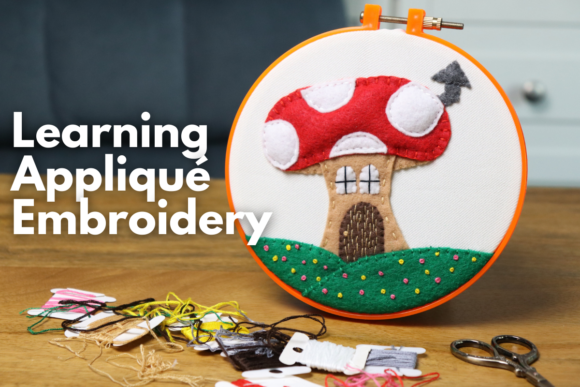
Based on the description, which invites users to explore the world of appliqué by adding layers of felt cut into shapes, this design leans heavily into the playful and cute aesthetic. The mention of "uniquely-textured" and "adorable" suggests a soft, tactile finish that appeals strongly to specific niches. In my experience, this style is perfect for the baby and children's market. It feels less like a bold, modern statement piece and more like a charming, rustic, or classic addition to handmade goods.
When I imagine this machine embroidery design on a finished product, I see it working beautifully on items where texture adds value. The concept of layering felt implies a dimensionality that flat stitching cannot achieve. This makes it an excellent candidate for baby embroidery projects, such as bibs, onesies, or nursery wall hangings. The character, Charlie, likely serves as a friendly guide, making the final handmade product feel approachable and warm rather than stiff or overly formal.
Product Ideas for Your Small Shop
If you are an Etsy seller looking to expand your catalog, Learning Appliqué Embroidery offers versatile applications. Here is how I would integrate this into a small batch collection:
- Personalized Gifts: Use the design on toddler t-shirts or sweatshirts. Parents love custom apparel that features soft textures and friendly characters.
- Home Decor: Imagine this stitched onto a linen kitchen towel embroidery project or a cozy pillow cover. The felt layers add a premium touch that justifies a higher price point.
- Accessories: A tote bag design featuring this appliqué technique could become a signature item for your shop, especially if marketed as a limited edition seasonal collection.
- Patches: If the hoop size permits, creating standalone embroidered patch products is a great way to utilize leftover materials and offer low-cost entry items for new customers.
The educational aspect of the product, being listed under Classes, also opens a unique avenue. You aren't just selling a stitched item; you are selling the story of learning a skill. This narrative works wonders in product descriptions, helping customers feel connected to the craftsmanship behind the finished product.
Enhancing Buyer Value and Photography
One of the biggest challenges in online selling is conveying quality through a screen. Designs that incorporate appliqué naturally solve this problem. The layers of felt create shadows and depth, making the item significantly easier to photograph. When potential buyers scroll through search results, a listing with visible texture stands out against flat, single-layer embroidery.
This design helps your products feel more giftable and memorable. A plain embroidered name is nice, but a name surrounded by textured, felt appliquéd shapes feels like a boutique item. It elevates the perceived value, allowing you to position your custom apparel or home decor as premium offerings. Furthermore, the "adorable" nature of the design makes it highly shareable on social media platforms like Instagram and Pinterest, driving organic traffic to your shop without heavy ad spend.
Practical Seller Notes and Production Tips
Before adding Learning Appliqué Embroidery to your inventory, there are several practical steps every serious craft business owner should take. Since this involves multiple layers of fabric, your production workflow will differ from standard stitching.
- Test the Design First: Always create a sample stitch-out before listing products. Appliqué requires precise cutting and placement. You need to ensure the tack-down stitches hold the felt securely without puckering.
- Check Stitch Density: Review the stitch density in your software. Too much density on top of felt layers can cause needle breakage or fabric distortion, while too little might leave edges fraying over time.
- Select the Right Stabilizer: Because you are adding weight with felt layers, your choice of stabilizer is critical. You may need a heavier cut-away stabilizer to support the structure of the design, especially on stretchy fabrics like sweatshirts.
- Verify Hoop Size: The description mentions an embroidery hoop, but exact dimensions are not specified in the summary. Confirm the required hoop size on the Creative Fabrica product page to ensure it fits your machine and your intended product, such as a cap or a small patch.
- Thread Color Coordination: Experiment with different thread colors against various felt shades. High contrast can make the design pop, while tonal threads offer a subtle, elegant look.
- Licensing Check: Since this is categorized under Classes, carefully review the licensing terms on Creative Fabrica. Ensure that using the design for commercial embroidery products is permitted, as some educational files have restrictions on selling the physical output.
Making the Final Decision
In the competitive world of digital embroidery file sales and handmade goods, finding a design that balances fun with function is rare. Learning Appliqué Embroidery appears to be a strong contender for sellers targeting the nursery, children's wear, and cozy home decor markets. Its focus on texture and the character-driven theme gives it a distinct personality that can help your brand stand out.
However, success lies in the execution. The added step of cutting and placing felt means your production time per unit will increase. You must factor this labor into your pricing strategy. If you can master the workflow and present the textured results effectively in your printable mockup previews and actual product photography, this design has the potential to become a bestseller in your shop. Remember to visit the original product page to confirm all technical specifications, including file formats and machine compatibility, before committing to a large production run. With careful planning, this could be the perfect addition to your next seasonal collection.