Botanical Embroidery Art on Tulle Review
As an embroidery seller who spends hours analyzing trends, checking stitch counts, and planning seasonal collections, I am always on the lookout for designs that bridge the gap between artistic expression and commercial viability. When I stumbled upon Botanical Embroidery Art on Tulle in the Classes section of Creative Fabrica, my immediate reaction was one of curiosity mixed with cautious optimism. This isn't just another floral motif; it represents a specific technique—embroidery on sheer fabric—that has been gaining significant traction in the boutique market. For any Etsy seller or craft business owner looking to elevate their product line, understanding the potential of this design is crucial before committing to a full production run.
The Aesthetic Appeal and Market Fit
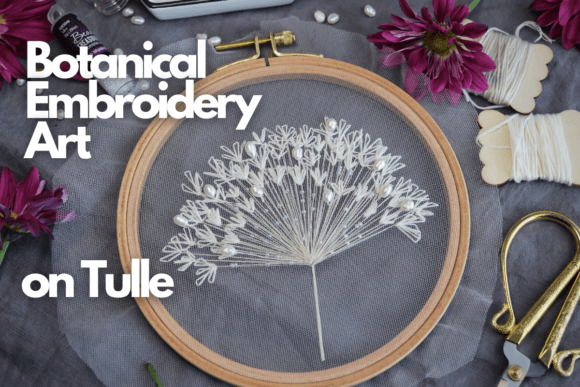
The title itself, Botanical Embroidery Art on Tulle, suggests a delicate, ethereal quality that stands apart from standard dense fill designs. Based on the description featuring Julia Shore, a modern artist from California, this project leans heavily into the "slow stitching" movement while offering a finished look that feels premium and high-end. In the current marketplace, customers are moving away from mass-produced items and seeking handmade products that tell a story. The concept of floating botanical elements creates a visual that is both elegant and modern.
This design feels distinctly feminine and sophisticated. It is not rustic in a farmhouse sense, nor is it bold or cartoonish. Instead, it occupies a space of refined minimalism. For sellers, this aesthetic is gold. It translates perfectly into high-ticket items where the perceived value is driven by the intricacy of the work. When you picture this stitched out, it evokes images of heirloom quality, making it an ideal candidate for wedding gifts, baby showers, and upscale home decor.
Strategic Product Applications
When evaluating a new machine embroidery design, the first question I ask is: "What can I make with this that will sell?" The versatility of Botanical Embroidery Art on Tulle opens up several lucrative avenues for small shop owners.
- Boutique Apparel: Imagine this design appliquéd onto the sleeve of a sheer chiffon blouse or layered over a sweatshirt embroidery project where the tulle acts as a textured overlay. It adds depth without overwhelming the garment.
- Home Decor: This is perhaps the strongest use case. Picture embroidered pillow covers where the botanical design floats against a velvet or linen background. The contrast in textures creates a luxury feel that photographs beautifully for social media previews.
- Specialty Gifts: For baby embroidery, using soft tulle with gentle botanical motifs on a blanket or bib creates a memorable, giftable item that parents cherish. Similarly, kitchen towel embroidery using this technique can turn a simple cotton towel into a decorative piece suitable for display.
- Accessories: While challenging, creating an embroidered patch using tulle as the base and sealing the edges could result in a unique, transparent patch for caps or denim jackets.
Commercial Viability for Etsy Sellers
For those running an online store, visual appeal is everything. One of the biggest advantages of Botanical Embroidery Art on Tulle is its photogenic nature. The translucency of the tulle allows light to pass through, creating natural shadows and highlights that make product photography pop. In a crowded feed of standard embroidery, a listing featuring floating botanical art stops the scroll. It signals to the buyer that this is a custom apparel or decor item made with advanced skills.
Furthermore, this design supports the creation of printable mockups that look incredibly realistic. Because the style is so distinct, you can create marketing materials that highlight the "floating" effect even before you stitch the first thread. This helps in pre-selling collections or gauging customer interest before investing in materials. Whether you are building a seasonal collection for spring or curating a line of personalized gifts for weddings, this design offers a cohesive theme that ties various products together.
Practical Considerations for Production
While the creative potential is high, practical execution is key to maintaining profit margins and customer satisfaction. Working with tulle requires a different approach than standard cotton or poly-cotton blends. As a seller, you must consider the stitch density. If the design is too dense, it may pucker the delicate tulle or cause the needle to perforate the fabric excessively, leading to tearing. Conversely, if it is too light, the design may lack definition.
Before listing any finished product, it is imperative to test the design. Create a sample stitch-out on the exact fabric you intend to sell. Pay close attention to your choice of stabilizer; water-soluble stabilizers are often best for tulle to avoid visible residue on the sheer background. You should also experiment with thread colors. Metallic or variegated threads might enhance the botanical theme, but standard rayon or polyester threads in muted, earthy tones could offer a more classic look.
Another critical factor is the hoop size. Since the product page does not specify exact dimensions or file formats, you must verify these details on the Creative Fabrica product page before purchase. Ensure your machine can accommodate the required hoop, especially if you plan to stitch larger items like tote bags or pillow covers. Additionally, confirm the licensing terms. Since this is listed under Classes, ensure that the license permits the sale of commercial embroidery finished goods, as some educational content has different restrictions than standard design files.
Final Verdict for Small Shop Owners
Incorporating Botanical Embroidery Art on Tulle into your inventory is a strategic move for sellers aiming to differentiate themselves. It moves beyond the basic tote bag design or standard monogram and enters the realm of artful craftsmanship. The learning curve associated with stitching on tulle might deter some hobbyists, which actually works in favor of professional sellers who can guarantee a clean, professional finish.
This design helps your products feel more memorable and attractive to online shoppers who are increasingly savvy about handmade quality. It solves the problem of generic-looking embroidery by introducing texture and dimension. However, success relies on preparation. Do not skip the sampling phase. Check the readability of the design at thumbnail size to ensure the botanical details don't blur together on mobile screens. Verify all technical specs regarding the digital embroidery file compatibility with your specific machine brand.
Ultimately, if you are looking to expand your personalized gift offerings with something that feels fresh, elegant, and commercially viable, this class and design combination from Julia Shore is worth serious consideration. It invites you to slow down and focus on quality, a message that resonates deeply with today's conscious consumers. By mastering this technique, you aren't just selling embroidery; you are selling a piece of floating art that brings a touch of nature and sophistication into your customers' lives.