Review: 20 Intermediate Embroidery Stitches for Pros
As an embroidery designer who spends more time at the hoop than away from it, I am always on the lookout for resources that bridge the gap between basic utility and artistic flair. Recently, I evaluated 20 Intermediate Embroidery Stitches available on Creative Fabrica to see if it holds up for real-world commercial projects. This is not just a collection of pretty pictures; it is a class designed to elevate your technical skill set. For those of us running handmade shops or fulfilling custom apparel orders, mastering these techniques can be the difference between a generic product and a boutique-quality item.
First Impressions and Visual Mood
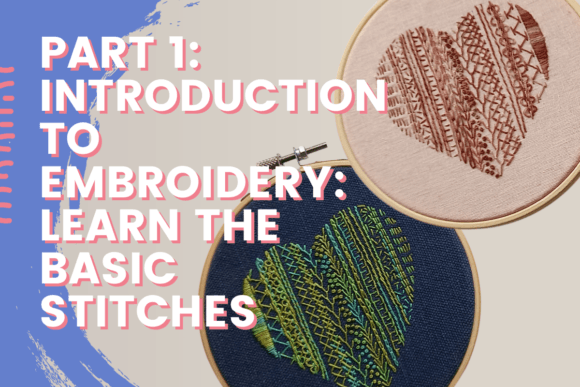
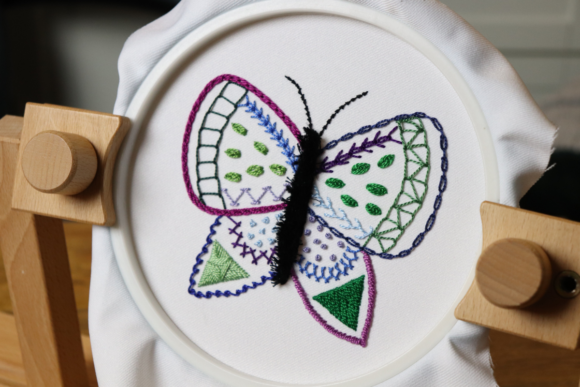
When diving into 20 Intermediate Embroidery Stitches, the immediate takeaway is the focus on texture and dimension. Unlike standard fill patterns that simply cover space, these stitches—such as the cable chain stitch and Hungarian stitch—add a tactile personality to the fabric. The visual mood is sophisticated yet approachable, perfect for designers looking to add unique details without overwhelming the base material. The instruction style suggests a hands-on approach, guiding you through the nuances of thread placement that define high-end embroidery file execution.
For a professional, the appeal lies in the decorative potential. These are not just functional joins; they are design elements. Whether you are creating a printable mockup for an Etsy listing or planning a physical sample for a craft fair, these intermediate techniques offer a distinct aesthetic that stands out in a saturated market. The attention to detail in the demonstration implies that the resulting finished product will have a curated, artisanal look rather than a mass-produced feel.
Real-World Application for Commercial Projects
The true test of any Creative Fabrica embroidery resource is how it translates to sellable goods. I considered how these stitches would perform across various popular items in my catalog. For custom apparel, such as a linen apron or a structured cap, the cable chain stitch offers a robust line quality that holds up well against wear. It adds a touch of elegance to pocket details or collar accents that a standard running stitch simply cannot achieve.
In the realm of home goods, these techniques shine on tote bag design and pillow covers. The Hungarian stitch, with its geometric interplay, creates a beautiful textured field that catches light differently than a flat satin stitch. This makes it an excellent choice for nursery decor or seasonal handmade gifts where visual depth is crucial for product photography. When customers see these intricate details in photos, it builds immediate trust in the quality of your handmade product.
Furthermore, for those selling embroidered patch designs or small accessories, incorporating these intermediate stitches can justify a higher price point. They signal to the buyer that extra time and skill went into the creation, enhancing the perceived value of your boutique merchandise. It transforms a simple sweatshirt embroidery job into a statement piece.
Technical Considerations and Fabric Challenges
While the artistic potential is high, practical application requires caution. Intermediate stitches often involve complex thread paths and varying densities. Before committing to a customer order, it is vital to test on scrap fabric that matches the final material. For instance, when working on stretchy fabrics like jersey for baby items, the density of a Hungarian stitch might require a heavier cut-away stabilizer to prevent puckering over time.
Small hoop sizes can also present a challenge. Some of these decorative stitches may require re-hooping if the design area exceeds your machine's capacity, which can lead to alignment issues if not managed carefully. Additionally, on dark fabrics, you must check thread color contrast rigorously. A subtle texture stitch might get lost against a black background unless you use a high-sheen thread or adjust the stitch length for better visibility.
Curved surfaces, such as caps, demand precise tension control. The raised nature of chain stitches can sometimes catch on machinery or distort if the fabric curve is too tight. Always review stitch density in your digitizing software before stitching. If the design feels too heavy, consider reducing the density slightly to maintain flexibility, especially for items like kitchen towels that need to remain soft and absorbent.
Enhancing Brand Value and Customer Engagement
Incorporating unique stitching techniques directly impacts your brand consistency. By consistently using high-quality textures found in resources like 20 Intermediate Embroidery Stitches, you create a signature look that customers begin to recognize. This visual consistency strengthens brand identity across your Etsy listings and social media channels.
Moreover, these details enhance giftability. A personalized gift featuring a complex cable chain border feels more thoughtful and luxurious than one with basic outlining. This emotional connection drives customer engagement and encourages repeat business. When clients see that you utilize advanced techniques, they are more likely to trust you with larger, more complex commercial embroidery projects.
Practical Notes for Designers
To get the most out of this class and ensure professional results, keep the following checklist in mind:
- Fabric Testing: Always stitch a sample on the exact fabric type you intend to sell, whether it is canvas, denim, or knit.
- Stabilizer Selection: Match your stabilizer to the stitch weight; textured stitches often need more support than flat fills.
- Thread Choices: Experiment with different thread weights and finishes to see how they affect the look of the cable chain or Hungarian patterns.
- Lighting Checks: Inspect your stitched samples under both natural and artificial light to ensure the texture reads well in photos.
- Licensing Verification: Before selling items made using techniques or files from this class, confirm the specific license terms on the Creative Fabrica product page regarding digital embroidery file usage and commercial rights.
It is also important to note that while this resource teaches valuable techniques, specific file formats, exact stitch counts, or machine compatibility details are not always explicitly listed in the short description. Therefore, I strongly advise you to confirm file details and licensing directly on the product page before integrating them into your workflow.
Final Verdict for Creative Entrepreneurs
For embroidery designers looking to expand their repertoire beyond the basics, 20 Intermediate Embroidery Stitches is a worthwhile investment. It provides the technical knowledge needed to execute complex textures that elevate applique design and standalone motifs alike. While it requires a bit more preparation regarding stabilizers and fabric testing, the payoff in product quality and brand perception is significant. Whether you are decorating a simple tote or crafting a high-end custom apparel line, these intermediate skills provide the toolkit necessary to stand out in the competitive handmade marketplace.