Bead-Stacking Technique in Bead Embroidery Review
As an embroidery designer who frequently consults for small businesses, boutiques, and creative studios, I am always on the lookout for techniques that elevate a brand from "standard" to "premium." Today, I am reviewing the Bead-Stacking Technique in Bead Embroidery, a specialized class led by Mihaela. This is not just a decorative tutorial; it is a potential game-changer for branded merchandise, high-end patches, and custom apparel that needs to stand out in a crowded market.
First Impressions: A Premium Handmade Aesthetic
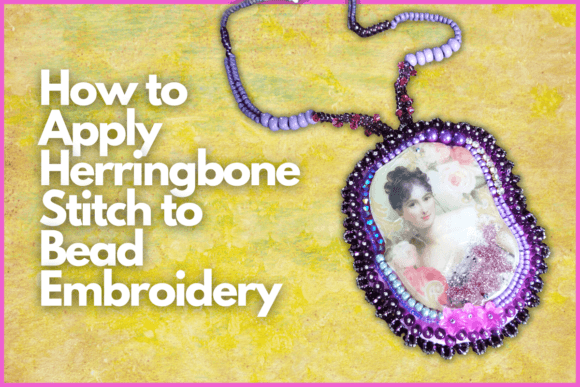
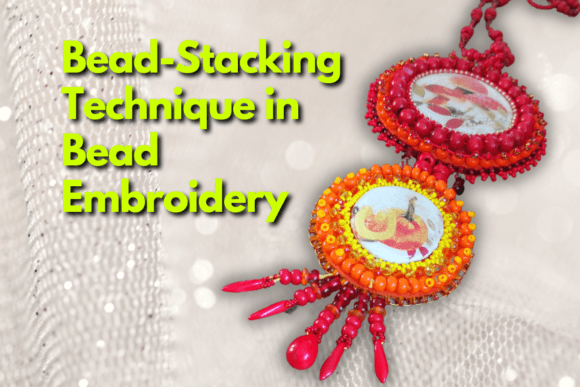
Upon reviewing the course description, which focuses on creating beautiful bead embroidery designs with two distinct elements connected by beads to form eye-catching fringes, the immediate visual personality feels elegant, tactile, and undeniably handmade. Unlike standard flat machine embroidery design files that rely solely on thread, this technique introduces dimension and movement. For a bakery, florist, or pet brand looking to distinguish their small business merch, this approach signals quality. It moves away from the mass-produced look of typical corporate logos and leans into a boutique, artisanal vibe that customers currently crave.
The concept of stacking beads to connect elements suggests a structural integrity that can mimic jewelry or high-fashion detailing. When applied to a finished product, this technique adds a layer of luxury that thread alone cannot achieve. It feels playful yet sophisticated, making it an excellent candidate for brands that want to project creativity and attention to detail.
Real-World Business Applications
The true test of any new technique is its versatility in commercial settings. The Bead-Stacking Technique in Bead Embroidery shines when applied to specific business assets where texture and depth are valued over speed.
- Embroidered Patches: This is perhaps the strongest use case. A patch featuring bead-stacked fringes can serve as a limited-edition collectible for loyal customers or a premium add-on for online orders. The 3D nature of the beads makes the patch pop against denim jackets or canvas bags.
- Staff Uniforms and Aprons: For a high-end café or boutique, standard uniforms can feel sterile. Adding a subtle bead-stacked accent to an apron embroidery pocket or the collar of a work shirt elevates the staff's appearance, reinforcing the idea that the business cares about presentation.
- Cap Embroidery: While challenging, using this technique on the side panel or back strap of a cap rather than the front crown can create a unique custom apparel item. The fringe element adds movement that catches the light, ideal for outdoor events or festivals.
- Tote Bag Design: Canvas totes are staples for craft fairs and Etsy shops. Incorporating bead elements into a tote bag design transforms a simple carry-all into a fashion statement, increasing the perceived value and allowing for a higher retail price point.
- Product Packaging Accents: Small businesses often overlook packaging. A small, bead-embellished tag attached to product packaging can serve as a memorable unboxing experience, enhancing brand identity before the customer even uses the product.
Critical Considerations for Commercial Use
While the aesthetic appeal is high, implementing the Bead-Stacking Technique in Bead Embroidery requires careful planning. As a designer, I must advise caution in several areas to ensure durability and professionalism.
Size and Scale: This technique may not translate well to very small patch sizes. The beads themselves have a minimum diameter, and stacking them requires space. If the design is shrunk too much for a tiny chest logo, the details will be lost, and the structure may become fragile. It is best suited for medium to large applications where the fringe and stacking details can breathe.
Fabric Texture and Stability: Beads add weight. When working with lightweight fabrics or textured materials like heavy wool or rough canvas, the pull of the beads can distort the fabric over time. Proper stabilizer selection is non-negotiable here. You must test on the actual fabric intended for production to ensure the material can support the weight of the bead stacks without sagging.
Washability and Durability: For items like staff uniforms or aprons that require frequent washing, bead embroidery presents a challenge. Threads securing the beads can wear down, or the beads themselves can crack in industrial washers. This technique is better suited for items that are dry-cleaned, hand-washed, or subjected to light wear, such as decorative wall hangings, special event merch, or low-maintenance accessories.
Curved Surfaces: Applying this to a curved surface like a cap front requires precise hooping. The rigid nature of stacked beads does not flex well. If the curvature is too aggressive, the beads may lift off the fabric or cause puckering. I recommend testing on a scrap cap before committing to a full production run.
Impact on Brand Identity and Customer Trust
In the era of digital saturation, physical texture builds trust. When a customer holds a product featuring the Bead-Stacking Technique in Bead Embroidery, they immediately perceive higher value. This tactile experience reinforces brand identity as one that prioritizes quality over quantity. For handmade brands and Etsy sellers, this aligns perfectly with the narrative of craftsmanship. It tells the buyer, "This was made with care," which fosters emotional connection and loyalty.
Furthermore, visual consistency is key. If your brand uses earthy tones and natural materials, the organic feel of bead stacking complements that narrative. If your brand is modern and sleek, using clear or metallic beads in a stacked formation can mirror that aesthetic. The key is ensuring that the thread colors used to secure the beads match the brand palette perfectly, maintaining visual consistency across all design assets.
Practical Designer Notes for Production
Before integrating this class output into your commercial workflow, follow these practical steps to ensure success:
- Test in Monochrome First: Before committing to colorful threads, stitch a sample in black and white. This helps you evaluate the contrast and the structural clarity of the bead stacks without the distraction of color.
- Check Small Patch Viability: Stitch a miniature version to see if the bead stacking holds up at smaller scales. If the beads overlap messily, reserve the design for larger applications.
- Review Thread Contrast: Ensure the thread holding the beads blends seamlessly or provides a deliberate, stylish contrast. Visible tying knots can ruin the premium look.
- Confirm Hoop Size: Since this involves multiple elements and potentially large fringes, verify that your machine's hoop size can accommodate the full design in one go to avoid alignment issues.
- Create a Printable Mockup: Generate a printable mockup for client approval. Show them exactly how the beads will sit on the fabric so there are no surprises regarding texture or height.
- Verify Licensing: Since this is a class by Mihaela, confirm the commercial licensing terms before selling items made with these techniques. Ensure you have the right to sell commercial embroidery products derived from the lesson.
- Digital File Details: The course description mentions making elements and connecting them but does not specify exact stitch counts or file formats. Always check the specific digital embroidery file requirements provided in the class materials to ensure compatibility with your machine.
The Bead-Stacking Technique in Bead Embroidery offers a unique avenue for small businesses to differentiate their merchandise. By understanding its limitations regarding washability and scale, and leveraging its strengths in texture and luxury, designers can create stunning embroidered patch collections and apparel that truly resonate with customers. It is a powerful tool in the modern embroiderer's arsenal, bridging the gap between traditional craft and contemporary branding.