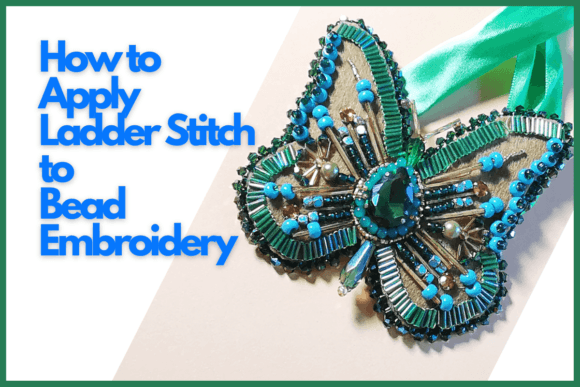
Ladder Stitch Bead Embroidery for Boutique Apparel
As an embroidery designer constantly scouting for techniques that elevate standard garment decoration, I recently explored a specific resource on Creative Fabrica titled How to Apply Ladder Stitch to Bead Embroidery. While my usual workflow involves digitizing logos for corporate wear or creating playful motifs for children's clothing, this product caught my eye because it bridges the gap between traditional hand-beading aesthetics and modern machine efficiency. For boutique apparel owners and Etsy sellers looking to distinguish their small shop products from mass-market competitors, understanding how to integrate these specialized stitching methods is crucial. This review breaks down how this class can influence your next collection of sweatshirts, hoodies, and custom apparel.
Visual Personality and Design Mood
The first impression of How to Apply Ladder Stitch to Bead Embroidery is one of refined intricacy. Unlike bold, fill-heavy designs that scream for attention from across the room, this technique exudes a premium, delicate mood. The visual personality leans heavily towards the feminine and classic, with a touch of rustic charm depending on the thread colors and bead choices selected. When reviewing the instructional content, it becomes clear that the decorative strength lies in texture rather than sheer size. The ladder stitch creates a structured yet flexible framework that holds bugle beads securely, resulting in a finished product that feels handmade and luxurious.
For a designer planning a seasonal collection, this aesthetic is incredibly versatile. It avoids the "cheap" look often associated with poorly executed sequin work. Instead, it offers a trendy but timeless appeal that fits perfectly with the current market demand for cozy, elevated basics. Whether you are aiming for a minimal look on a pastel hoodie or a bold statement on a dark denim jacket, the technique allows for significant customization while maintaining a cohesive brand identity.
Application Across Boutique Garments
When considering where to place this design, the possibilities for sweatshirt embroidery and hoodie design are extensive. I envision using this technique for chest placements on oversized, neutral-toned sweatshirts. The subtle shimmer of bugle beads against heather grey or oatmeal fleece creates a sophisticated contrast that photographs beautifully for lifestyle product photos and social media graphics.
- Sleeve Accents: A small cluster of ladder-stitched beads running down the sleeve of a t-shirt adds a unique detail without overwhelming the garment.
- Back Designs: For heavier garments like denim jackets, a larger interpretation of the butterfly pendant motif mentioned in the description could serve as a stunning back piece, drawing the eye and increasing perceived value.
- Tote Bag Design: Canvas tote bags provide a stable surface for this work, making them ideal for boutique merchandise or event giveaways where durability and style matter.
The key to success with custom apparel using this method is understanding the fabric texture. On smooth cotton t-shirts, the beads will sit prominently, offering high definition. However, on looped fleece or ribbed fabrics common in hoodies, the design requires careful stabilization to ensure the ladder stitches do not sink into the pile. This class provides the foundational knowledge needed to navigate these variables, ensuring your handmade product looks professional regardless of the substrate.
Technical Considerations for Production
Before launching a line of commercial embroidery products featuring beaded elements, practical testing is non-negotiable. How to Apply Ladder Stitch to Bead Embroidery emphasizes the importance of preparation. As a designer, my immediate note would be to test on scrap fabric that matches your production material exactly. Bead embroidery adds weight and changes the drape of a garment; therefore, checking the stitch density is vital to prevent puckering, especially on stretchy fabrics.
Stabilizer choice is another critical factor. For dark garments or curved surfaces like caps, a cut-away stabilizer is often necessary to support the weight of the bugle beads over time. If you are working with a digital embroidery file derived from these techniques, confirm the hoop size compatibility with your machine. While the class teaches the manual application and conceptual approach, translating this to a machine-ready format may require specific digitizing adjustments to accommodate the bead placement stops.
It is important to note that specific technical data such as exact stitch counts, supported file formats, or precise hoop dimensions are not always explicitly listed in general class descriptions. Readers should verify these details within the Creative Fabrica product listing or contact the creator if they intend to scale this for high-volume Etsy listings. Ensuring you have the correct licensing terms for selling finished apparel is also a mandatory step before production begins.
Elevating Brand Identity and Value
Incorporating techniques learned from How to Apply Ladder Stitch to Bead Embroidery can significantly impact your boutique brand. In a saturated market, buyer trust is often built on the visible quality of the item. A garment featuring intricate beadwork suggests a higher level of care and craftsmanship, justifying a higher price point. This visual consistency across your product line enhances product recognition; customers begin to associate that specific textured finish with your label.
Furthermore, the engagement potential for social media is high. The way light catches the bugle beads in video content or printable mockups can drive clicks and conversions. For creative entrepreneurs, this is not just about adding a pretty detail; it is about strategic positioning. By offering something that cannot be easily replicated by fast-fashion printers, you secure a niche for your small shop product.
Final Designer Notes
To summarize, this resource is a valuable addition to the toolkit of any serious embroidery shop or independent designer. It encourages experimentation with thread colors and bead types to match seasonal trends. However, caution is advised when placing dense stitch areas on highly elastic regions of a garment, as movement can stress the threads holding the beads. Always compare placement options on a physical sample before committing to a full run.
Ultimately, How to Apply Ladder Stitch to Bead Embroidery offers more than just a pattern; it offers a methodology for embellishment that can transform simple blanks into coveted fashion pieces. Whether you are creating a limited edition drop of pastel hoodies or a year-round line of embroidered tees, mastering this technique allows you to push the boundaries of what is possible in modern apparel decoration.